Advertisements
Trail Running for Beginners: Everything I Wish Someone Had Told Me Before My First Run
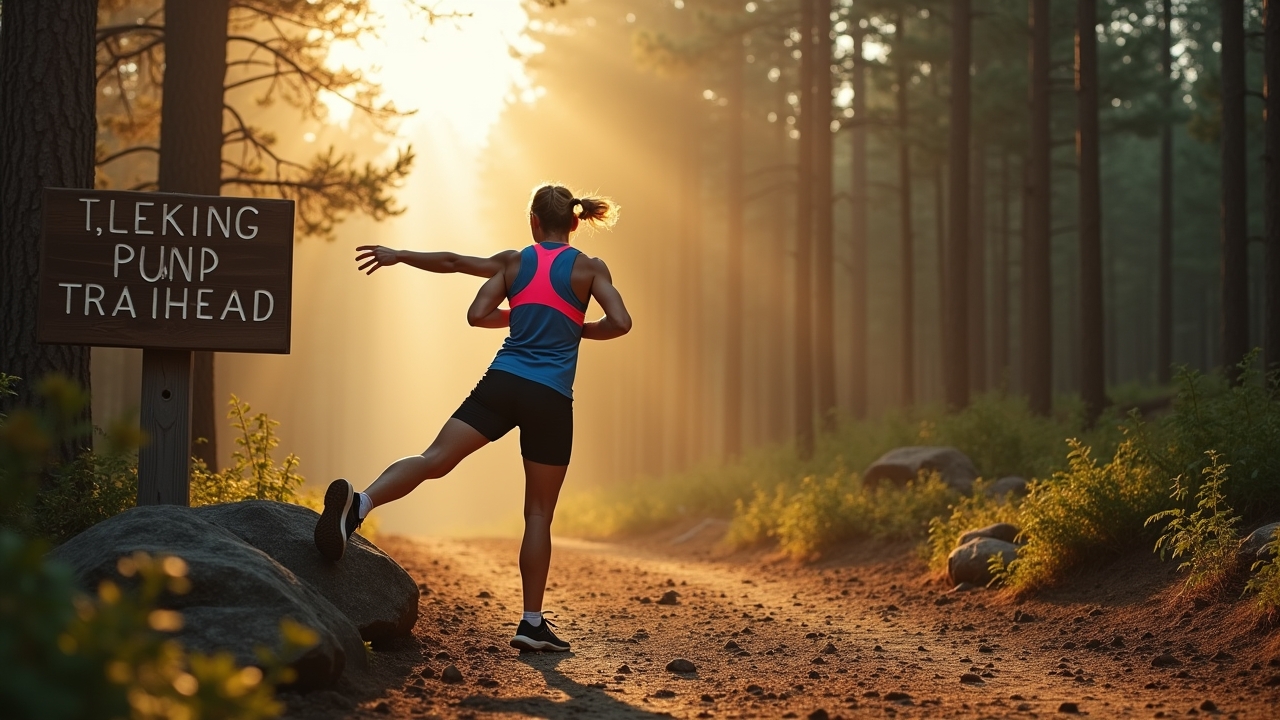
Here’s a wild stat that blew my mind — trail running has seen a massive surge in popularity over the past decade, with millions of new runners hitting dirt paths every year. I was one of those people about six years ago, and honestly? I had absolutely no clue what I was doing. If you’re thinking about swapping pavement for trails, you’re in for something really special — but there’s a few things you gotta know first!
Why Trail Running Is Different From Road Running
So I used to think running was just… running. Legs move, lungs burn, done. Then I tried my first trail and nearly twisted my ankle on a tree root within the first ten minutes.
Trail running demands way more from your body than road running does. You’re dealing with uneven terrain, elevation changes, rocks, mud, and sometimes wildlife that couldn’t care less about your personal records. Your stabilizer muscles get worked in ways that flat pavement never touches.
The pace is slower too, and that tripped me up mentally at first. I kept checking my watch wondering why I was so “slow” — but that’s totally normal on technical singletrack trails.
Choosing the Right Trail Running Shoes
This is where I made my biggest rookie mistake. I wore my regular road running shoes on a muddy trail and slipped so many times I looked like a baby deer on ice. Not my proudest moment.
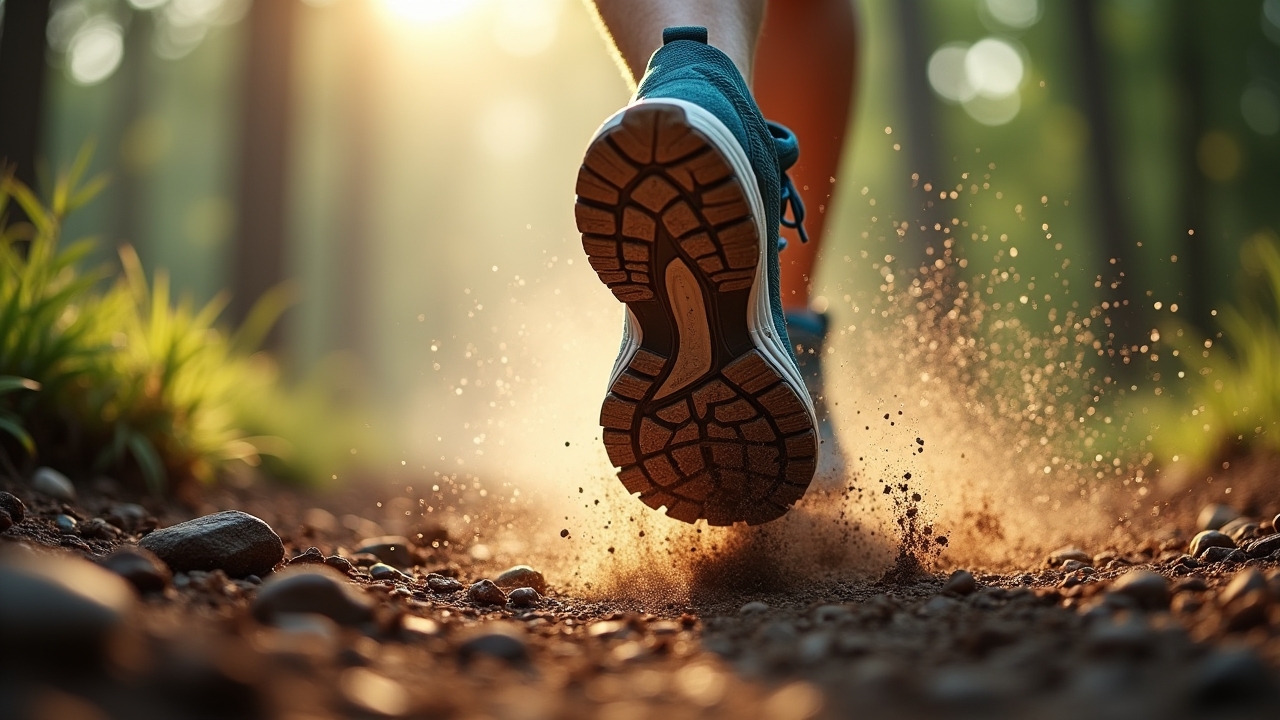
Trail running shoes have aggressive lugs on the sole for grip, a rock plate to protect your feet, and generally more durable uppers. Brands like Salomon and HOKA make fantastic options for beginners. Go to a local running store if you can — getting fitted properly makes a world of difference.
Start Easier Than You Think You Should
I cannot stress this enough. Your ego will tell you to pick a challenging trail because you’ve been running 5Ks on the road for months. Don’t listen to your ego.
Start with well-maintained, relatively flat trails that are clearly marked. Local parks and nature preserves usually have beginner-friendly options, and apps like AllTrails are honestly a godsend for finding rated trails near you. I spent my first month on easy paths and it was the smartest thing I ever did for building confidence.
Essential Gear Beyond Shoes
You don’t need to spend a fortune, but a few items are pretty much non-negotiable for safe trail running. Here’s what I always bring:
Advertisements
- A hydration vest or handheld water bottle — trails don’t have water fountains
- Moisture-wicking clothing that won’t chafe after mile two
- A phone with offline maps downloaded (cell service gets sketchy out there)
- Sunscreen and a hat, even on cloudy days
- A small first aid kit for longer runs
I once went on a 6-mile trail run without enough water during summer. That was a miserable walk back to the car, let me tell you.
Learning to Run by Effort, Not Pace
This one was a game-changer for me. On trails, your pace per mile is basically meaningless because every trail is different. Hills, technical sections, and altitude all mess with your numbers.
Instead, run by perceived effort. If you can hold a conversation, you’re probably in a good zone. When the trail goes uphill, it’s completely fine — encouraged even — to walk. Literally every experienced trail runner hikes the steep stuff, and there’s zero shame in it.
Safety Tips That Actually Matter
Tell someone where you’re going and when you expect to be back. This sounds basic but I forgot to do this once and my wife was not happy when I came home an hour late with a dead phone.
Also, learn basic Leave No Trace principles. Stay on marked paths, don’t litter, and be respectful of other trail users. Running with a buddy is always recommended when you’re just starting out.
Your Trails Are Waiting
Trail running completely changed how I feel about exercise. It turned something I used to dread into the highlight of my week. Start slow, get proper shoes, respect the terrain, and most importantly — enjoy the scenery instead of staring at your watch.
Every runner’s journey looks different, so take what works from this guide and make it your own. Stay safe out there, be kind to the trails, and keep exploring. For more tips on outdoor adventures and wellness, check out other posts on Open Lumae — we’ve got plenty more where this came from!