
Advertisements
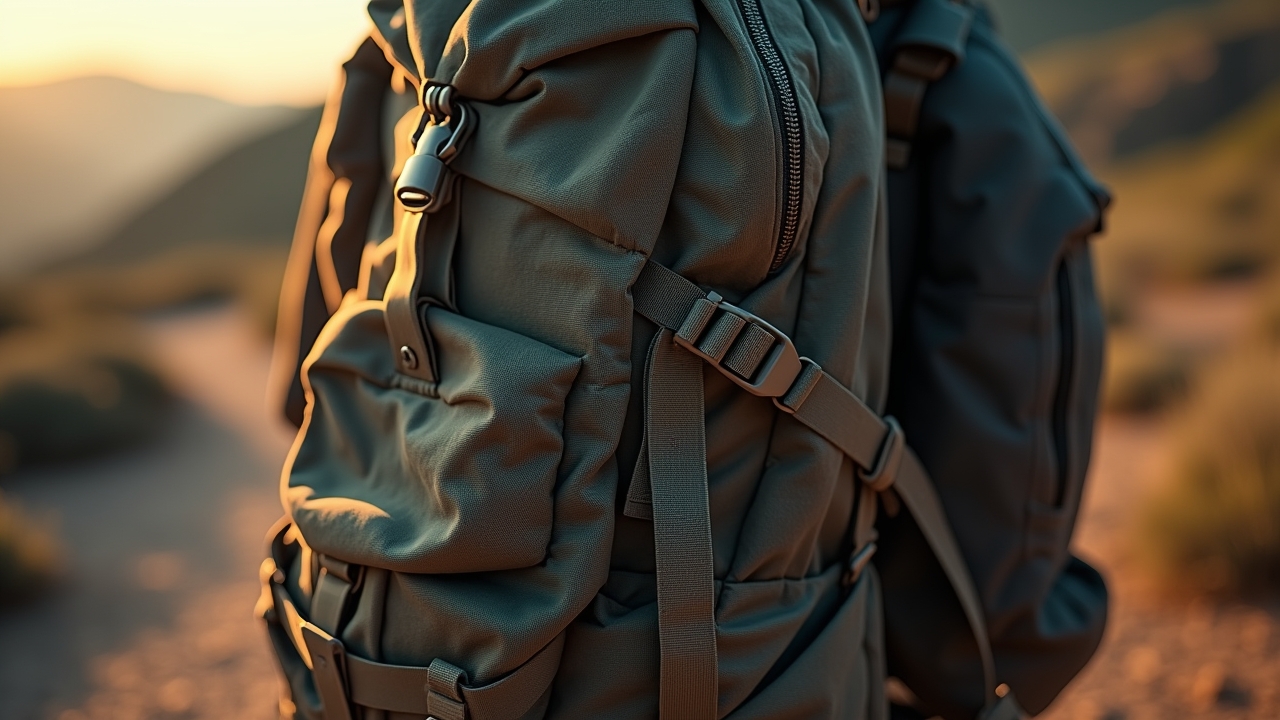
Rucking Outdoor Workout: Why Strapping on a Weighted Pack Changed Everything for Me
Here’s a stat that honestly blew my mind — rucking burns up to three times more calories than regular walking at the same pace. Three times! I stumbled onto rucking about two years ago when I was completely burned out on gym routines, and it’s probably the best fitness decision I’ve ever made.
A rucking outdoor workout is simply walking with a weighted backpack, and it’s been used by military forces for decades as a core training method. But you don’t need to be in the army to get incredible benefits from it. If you’re tired of treadmills and looking for a full-body workout that actually gets you outside, stick around.
What Exactly Is Rucking and Why Should You Care?
Rucking is weighted walking — that’s it at its core. You load up a rucksack or backpack with weight and you hit the trail, the sidewalk, or whatever terrain you’ve got nearby. It combines cardiovascular exercise with strength training in a way that feels surprisingly natural.
What makes rucking special is that it’s low-impact but high-reward. Unlike running, which can absolutely wreck your knees over time (trust me, I learned that the hard way in my thirties), rucking puts less stress on your joints while still building serious endurance. Your legs, back, shoulders, and core are all engaged the entire time you’re moving.
My First Rucking Disaster (And What I Learned)
So, full transparency — my first ruck was a mess. I threw 40 pounds into a cheap school backpack and headed out for what I thought would be an easy three-mile loop around my neighborhood. Twenty minutes in, the straps were digging into my shoulders like razor blades and the weight was bouncing around with every step.
I made it about a mile and a half before I called it quits. My lower back was screaming and I had red marks across both shoulders that lasted for days. The lesson? Start light and use proper gear.
Most experts, including folks over at the GORUCK community, recommend beginning with about 10-20 pounds and gradually working your way up. And for the love of everything, get a pack with a hip belt and padded shoulder straps. It was a game changer when I finally invested in a decent rucksack.
How to Start Your Own Rucking Outdoor Workout Routine
Getting started is honestly one of the easiest parts. Here’s what worked for me and what I’d recommend to anyone new to ruck training:
- Pick your weight wisely. Start with 10-15 pounds if you’re a beginner. A couple of wrapped bricks or a ruck plate works great.
- Choose your terrain. Flat ground is fine at first, but hiking trails and hills add intensity once you’re comfortable.
- Keep your posture in check. Stand tall, engage your core, and don’t lean forward too much. This was something I had to consciously correct for weeks.
- Start with 20-30 minutes. You can build up to longer rucks over time. There’s no rush.
- Wear solid footwear. Trail shoes or boots with good ankle support make a huge difference on uneven ground.
The Benefits Nobody Talks About Enough
Sure, the physical benefits of rucking are well-documented — improved cardiovascular health, increased calorie burn, better posture, and stronger muscles. But honestly, the mental health benefits caught me off guard. There’s something about being outside with weight on your back that just clears the noise out of your head.
Advertisements
I started rucking through local parks and nature trails, and it became almost meditative. No headphones, no podcasts, just me and the weight and the sound of gravel underfoot. According to the American Psychological Association, spending time in nature reduces stress and anxiety — and rucking basically forces you to do exactly that.
Also, it’s incredibly social. I’ve dragged friends along on rucks who would never step foot in a gym. Walking and talking with a loaded pack doesn’t feel like exercise until the next morning when your legs remind you otherwise.
Lace Up and Load Up
Rucking isn’t complicated, it isn’t expensive to start, and it works. Just remember to progress slowly, listen to your body, and don’t repeat my mistake with that cheap backpack. Stay hydrated, especially on longer outdoor rucks in warm weather.
If you’re ready to explore more outdoor fitness ideas and practical wellness tips, head over to Open Lumae — we’ve got plenty of posts to keep you moving in the right direction.