Advertisements
Outdoor Meditation Techniques That Actually Changed How I Handle Stress
Here’s a stat that honestly blew my mind — a study from the Frontiers in Psychology journal found that meditating outdoors can amplify the stress-reducing benefits of mindfulness by up to 50% compared to doing it indoors. Fifty percent! I stumbled onto outdoor meditation techniques almost by accident a few years ago, and let me tell you, it completely shifted how I approach my mental health.
I used to think meditation meant sitting cross-legged on a fancy cushion in a perfectly silent room. Spoiler alert: I was dead wrong. Taking your practice outside, surrounded by nature, is a total game-changer, and I wish someone had told me sooner.
Why I Ditched the Meditation Cushion for Grass and Dirt
So here’s the thing. I’d been trying indoor meditation for months and kept getting frustrated because my mind just wouldn’t shut up. The hum of the refrigerator, my dog scratching at the door — it was a mess.
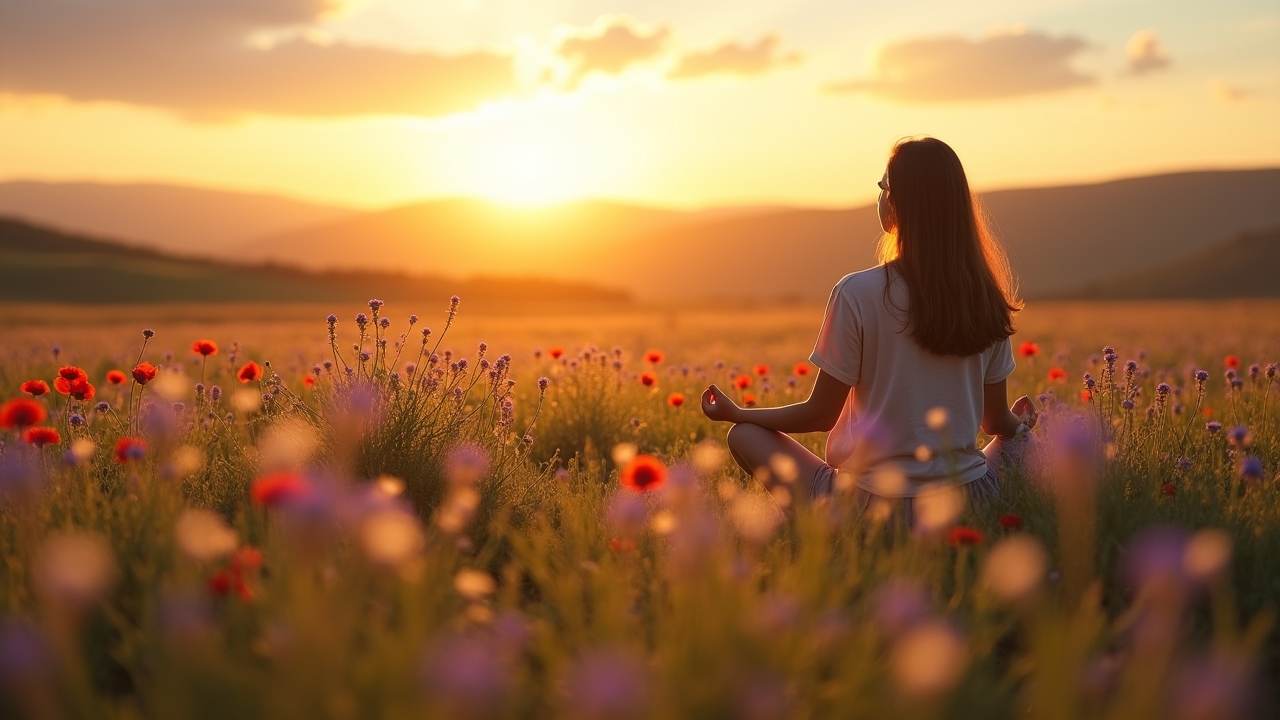
One morning I just grabbed a blanket, went out to my backyard, and sat under this old oak tree. Something clicked that day. The birds chirping, the breeze on my skin — instead of being distractions, they became anchors for my attention.
Research from the American Psychological Association backs this up too. Nature exposure combined with mindfulness practice reduces cortisol levels significantly. Your body literally calms down faster when you meditate in a natural environment versus a closed room.
Walking Meditation: My Favorite Technique Nobody Talks About
Okay, walking meditation in nature is criminally underrated. I discovered it when sitting still outside wasn’t working because, well, ants. Lots of ants.
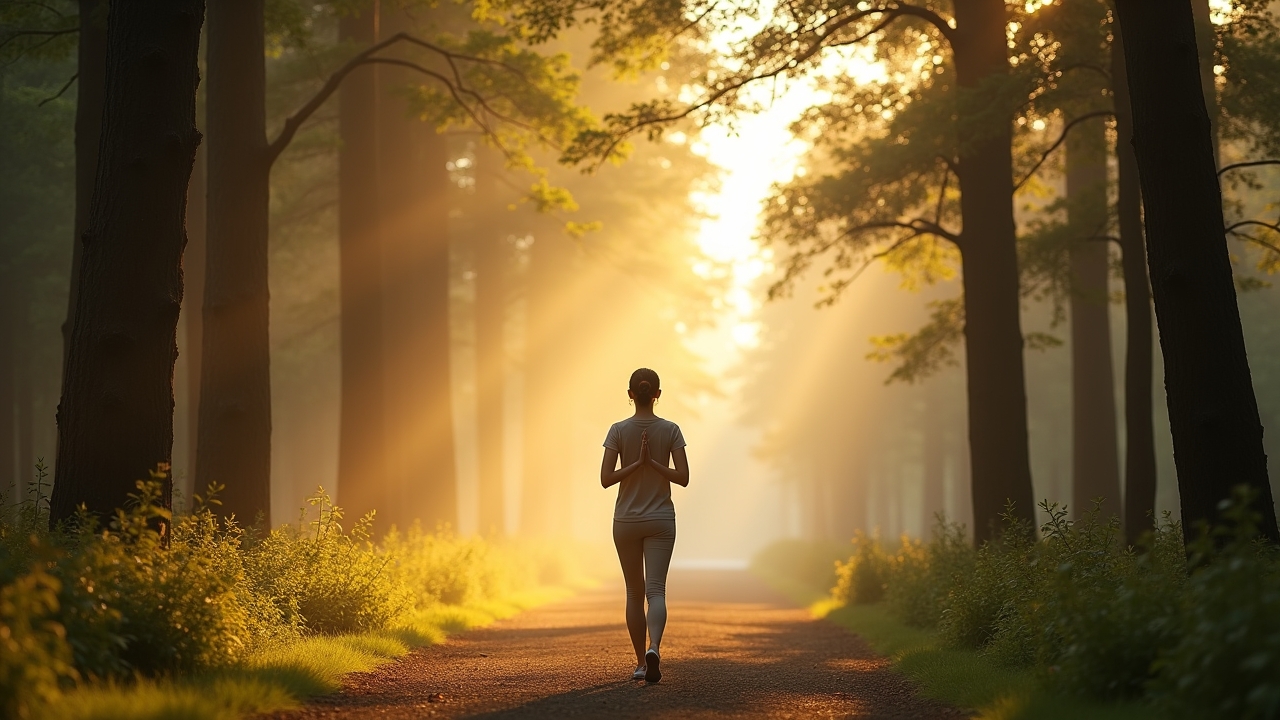
The idea is simple — you walk slowly through a park, trail, or even your neighborhood while paying close attention to each step. Feel your heel touch the ground, then the ball of your foot, then your toes. It sounds almost too easy, but the mindful walking practice forces your brain to slow down in this beautiful way.
I usually do about 15 minutes on a trail near my house. Pro tip: leave the earbuds at home. You want to hear the crunch of leaves and gravel under your feet. That sensory grounding is what makes this nature-based mindfulness technique so effective.
The Five Senses Sit: A Beginner-Friendly Outdoor Practice
This one I actually learned from a colleague, and it’s perfect if you’re new to meditating outside. Find a comfortable spot — a park bench, a patch of grass, whatever works. Then you cycle through each of your five senses, one at a time.
Advertisements
- What do you see? Really look at the details — the way light filters through leaves.
- What do you hear? Distant traffic, birdsong, wind rustling.
- What do you feel on your skin? Temperature, breeze, sun warmth.
- What do you smell? Fresh cut grass, rain, earth.
- What can you taste? Even if it’s just the air, notice it.
I messed this up the first time because I rushed through it in like two minutes. Don’t do that. Spend at least a minute on each sense. The whole point of this sensory awareness meditation is to slow way down and actually inhabit the present moment.
Breathing With the Wind: Syncing Your Breath to Nature
This one sounds a little woo-woo, I know. But hear me out. Sit outside on a breezy day and try to match your breathing rhythm to the wind patterns around you. When the wind picks up, inhale deeply. When it dies down, exhale slowly.
It’s honestly one of the most peaceful experiences I’ve had with outdoor breathwork. Your nervous system kind of surrenders to the natural rhythm, and it’s been shown that controlled breathing techniques activate your parasympathetic nervous system. You can’t force this one though — some days the wind just isn’t cooperating, and that’s okay.
Take Your Practice Outside — Seriously, Just Try It
Look, outdoor meditation techniques aren’t some magical cure-all. But combining fresh air, natural sounds, and mindful awareness has genuinely made me a calmer, more patient person. Start small — even five minutes on your porch counts.
Just be smart about it. Wear sunscreen, watch for uneven terrain if you’re doing walking meditation, and stay aware of your surroundings. Safety first, always. Customize these techniques to fit your life because what works for me might need tweaking for you.
If you’re hungry for more wellness tips and mindfulness strategies, head over to the Open Lumae blog where we’re always exploring ways to live a little more intentionally. Your calmer self is waiting outside — go find them.