Advertisements

Natural Soundscapes for Deep Focus: How I Stopped Fighting Silence and Started Actually Getting Stuff Done
Here’s a stat that kinda blew my mind — a study published in the Journal of Consumer Research found that moderate ambient noise (around 70 decibels) actually boosts creative thinking compared to total silence. I stumbled onto this idea almost by accident a few years ago, and honestly, natural soundscapes for deep focus have completely changed how I work.
Let me explain. I used to think I needed dead silence to concentrate. Turns out, I was wrong about that — like, really wrong.
Why Pure Silence Was Actually Killing My Productivity
So picture this. It’s 2021, I’m sitting in my home office with noise-canceling headphones on, no music, no nothing. And every tiny sound — the fridge humming, my neighbor’s dog, a car door slamming — was yanking me out of whatever I was working on.
I was getting so frustrated. The silence was almost too loud, if that makes any sense. My brain would fill that empty space with random thoughts, worries about deadlines, what to make for dinner — you name it.
Then one afternoon I accidentally left a YouTube tab open with a rainforest ambience track playing. I didn’t even notice it at first. But an hour later, I realized I’d been in this beautiful state of flow without a single distraction pulling me out. That was my lightbulb moment.
What Makes Natural Soundscapes So Effective for Concentration
There’s actual science behind why ambient nature sounds help your brain settle down. According to researchers at Brighton and Sussex Medical School, natural soundscapes activate the parasympathetic nervous system — the “rest and digest” mode. This basically means your body physically relaxes while your mind stays alert.
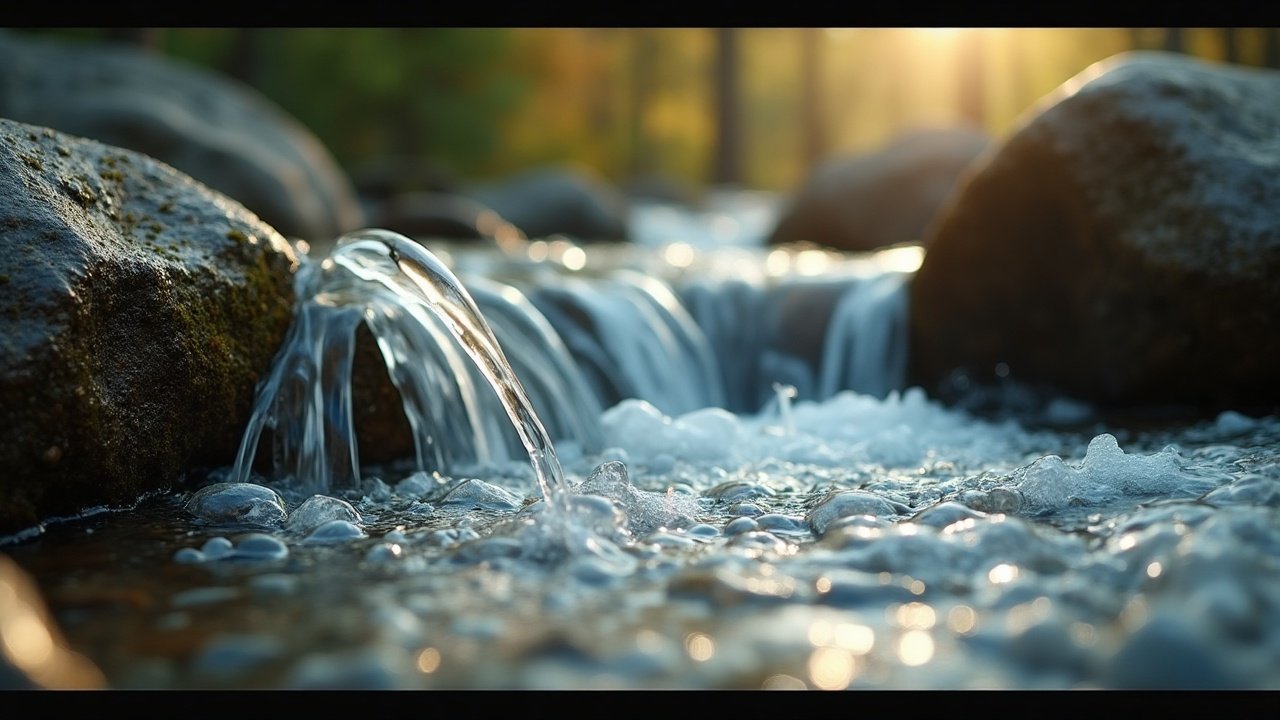
White noise from nature, like flowing water or gentle wind, works by masking those jarring, unpredictable sounds that break your focus. It creates a consistent audio environment. Your brain doesn’t have to process sudden changes, so it can devote more energy to the task at hand.
Think of it like acoustic wallpaper. It’s there, it’s pleasant, but it ain’t demanding your attention.
My Favorite Natural Soundscapes for Different Types of Work
Over the years, I’ve gotten weirdly specific about which sounds work for which tasks. Here’s what I’ve found through a lot of trial and error:
Advertisements
- Rain and thunderstorms — Perfect for writing and deep analytical work. There’s something about steady rainfall that just locks me in. I use Noisli a lot for custom rain mixes.
- Ocean waves — Great for creative brainstorming or when I need to think loosely without pressure. The rhythm is slow and calming.
- Forest ambience with birdsong — This one’s my go-to for grading papers or doing repetitive tasks. It keeps me from zoning out completely.
- River or stream sounds — Honestly the best for meditation breaks between work sessions. Really helps reset the mental fatigue.
One mistake I made early on was using soundscapes with too much variety — like tropical jungle recordings with monkeys screeching and insects buzzing loudly. That was counterproductive, to say the least. You want consistency, not a nature documentary.
Practical Tips to Build Your Own Focus Routine
If you’re new to this whole thing, start simple. Don’t overcomplicate it. Here’s what I’d recommend based on what actually worked for me:
First, try a few different environments and pay attention to how your body responds. Some people love rain, others find it makes them sleepy. It’s super personal. Give each soundscape at least 20-30 minutes before deciding.
Second, pair your soundscape with a timer. I use a modified Pomodoro technique — 45 minutes of focused work with nature sounds, then a 10-minute break in silence. The contrast between the two states is really powerful for maintaining cognitive performance throughout the day.
Third, invest in decent headphones. Not necessarily expensive ones, but something comfortable enough to wear for hours. Speakers work too, but headphones create a more immersive experience that blocks environmental noise better.
Your Ears Know What Your Brain Needs
Look, I’m not saying natural soundscapes are some magical productivity hack that works for everyone. But for me — and for a lot of people I’ve shared this with — they’ve been a genuine game-changer for sustained attention and mental clarity.
Experiment with it. Mix different sounds. Find what clicks for your brain specifically, because everyone’s wired a little different. Just be mindful of volume levels — keeping things too loud defeats the whole purpose and could actually damage your hearing over time.
If you found this helpful, swing by Open Lumae for more posts on wellness, focus strategies, and building better daily habits. There’s plenty more where this came from!