Advertisements
How Natural Light Productivity Changed the Way I Work (And Why I’ll Never Go Back)
Here’s a stat that honestly blew my mind: a study by Future Workplace found that access to natural light is the number one attribute of a workplace environment, beating out perks like cafeterias and fitness centers. Number one! When I first read that, I was sitting in my dim home office with the blinds shut, wondering why I felt like a zombie every afternoon.
The connection between natural light and productivity is something I wish I’d taken seriously years ago. It’s not just about feeling “nice” — it genuinely changes how your brain works, how you sleep, and how much you actually get done in a day.
My Embarrassing Wake-Up Call
So about three years ago, I moved my desk into a spare room that had exactly one tiny window. I thought it was perfect because it was quiet. No distractions, right?
Wrong. Within a couple months, my energy levels were tanked by 2 PM every single day. I was reaching for coffee like it was oxygen, and my focus was just shot. I honestly thought something was wrong with me health-wise before a friend casually mentioned that my workspace looked like a cave.
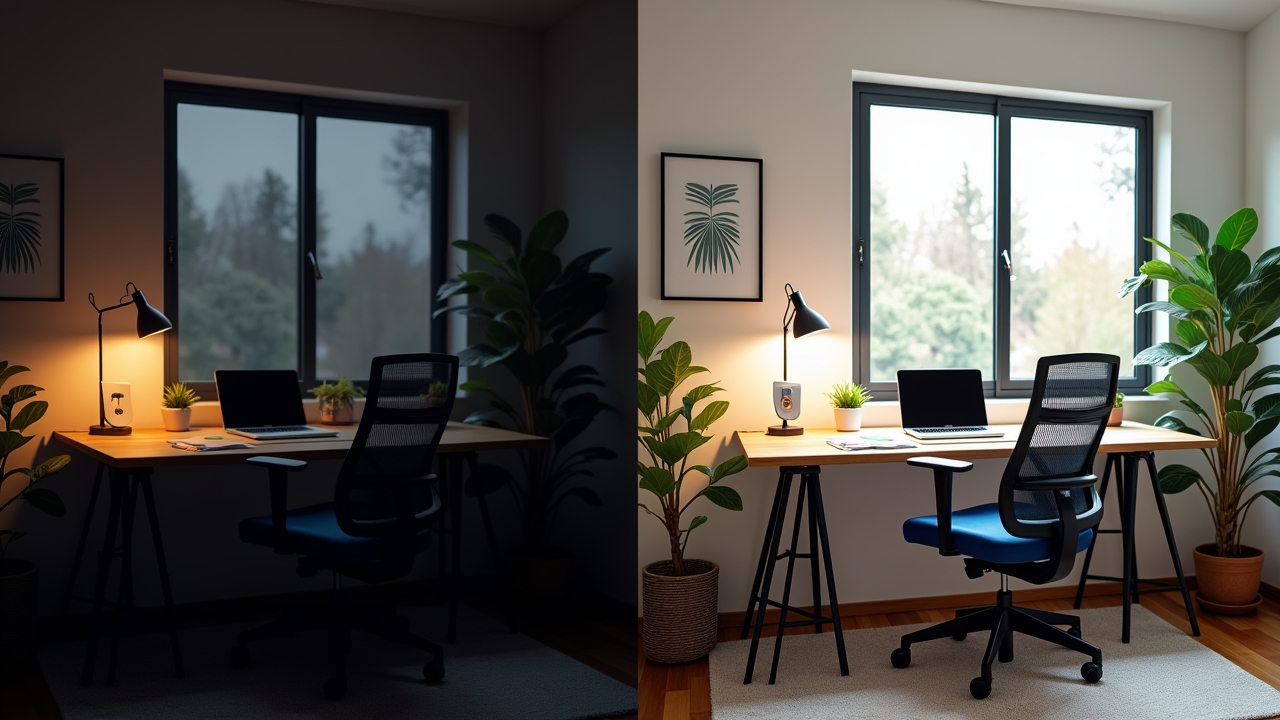
That comment stung a little, but she was right. I had been completely ignoring the role that daylight exposure plays in regulating circadian rhythms and mental alertness. Once I moved my desk near a larger window, the difference was honestly kind of shocking.
What the Science Actually Says
There’s solid research backing all of this up. A study published by Northwestern Medicine showed that workers with windows in their offices received 173% more white light exposure during work hours and slept an average of 46 minutes more per night. Better sleep means better cognitive performance — it’s that simple.
Natural light boosts serotonin production, which directly affects mood and focus. When your workspace lighting is primarily artificial, especially fluorescent, your body gets confused about what time it is. That afternoon brain fog I was experiencing? Totally related to insufficient sunlight exposure.
Practical Tips That Actually Worked for Me
Look, not everyone can just knock out a wall and install floor-to-ceiling windows. I get it. But here’s what I’ve done over the years that made a real difference in my workspace wellness:
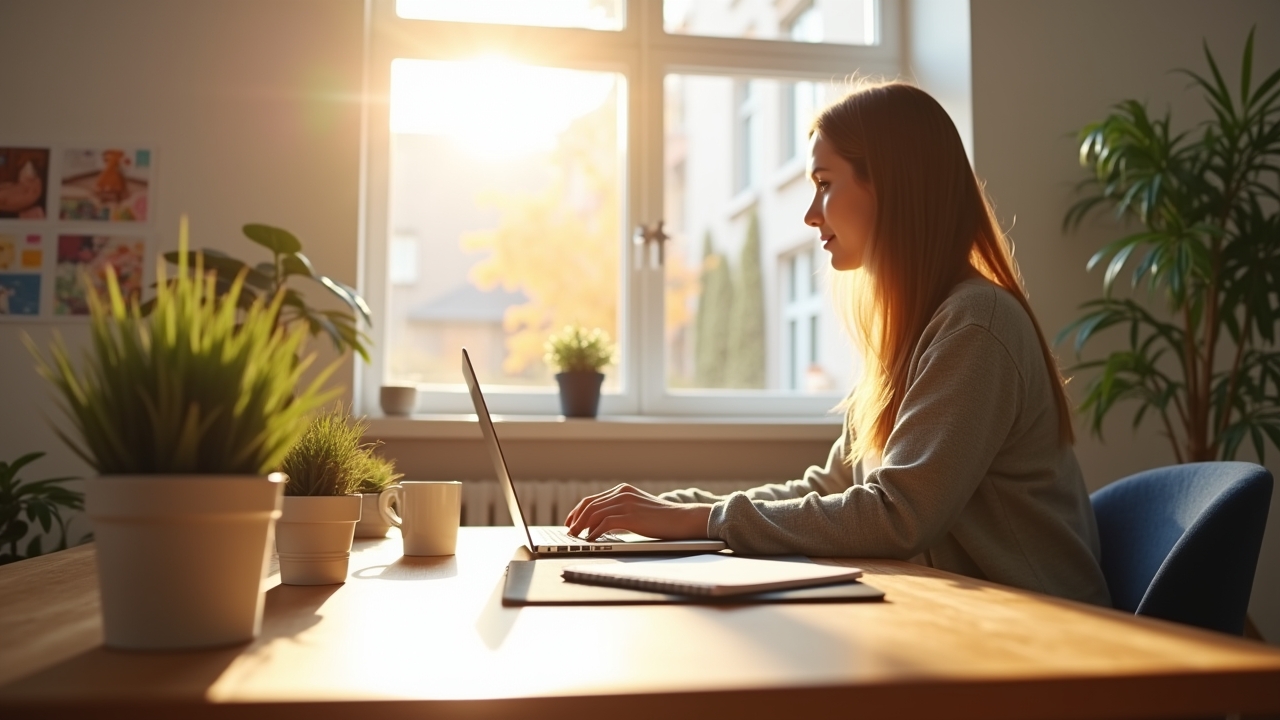
- Position your desk within 5 feet of a window. Angle it so the light comes from the side, not directly behind your screen. Glare on your monitor is its own kind of headache — literally.
- Ditch the heavy curtains. I swapped mine for light-filtering sheer curtains that let sunlight in without turning my room into a greenhouse.
- Take outdoor breaks. Even 10 minutes of direct sunlight during lunch resets your internal clock. I started doing short walks and it was a game-changer for my afternoon energy.
- Use a light therapy lamp on cloudy days. These aren’t perfect substitutes, but a good SAD lamp recommended by the Mayo Clinic can help bridge the gap during winter months.
- Paint your walls lighter colors. This one sounds silly but light-colored walls reflect natural light deeper into a room. My old dark gray accent wall was basically absorbing all my productivity.
The Results I Noticed
After about two weeks of maximizing daylight in my office, I noticed I wasn’t hitting that 2 PM wall anymore. My sleep quality improved, which was being tracked on my watch, and I was genuinely in a better mood during work hours. It felt like I’d been running at 60% capacity without even realizing it.
Advertisements
The thing is, indoor lighting optimization isn’t something most people think about when they’re trying to be more productive. We buy planners, download apps, try new time-management techniques. But sometimes the answer is literally just opening your blinds.
Let the Light In — Seriously
Natural light productivity isn’t some trendy wellness hack. It’s basic biology that we’ve been ignoring since we started working in cubicles and windowless rooms. Your body needs sunlight to function properly, and your work output reflects that whether you notice it or not.
Start small — move your desk, open the curtains, take a walk outside. Customize these tips to fit your space and schedule. And if you’re looking for more ways to optimize your daily life and work environment, check out more posts on Open Lumae — we’re always digging into stuff like this.