Advertisements
How a Tech-Free Bedroom Completely Transformed My Sleep (And My Sanity)
Here’s a stat that honestly shook me: according to the National Sleep Foundation, nearly 90% of adults use an electronic device within an hour of bedtime. I was absolutely one of them. For years, my phone was basically glued to my hand until the second my eyes closed — and I couldn’t figure out why I felt like a zombie every morning!
Creating a tech-free bedroom for better sleep isn’t some trendy wellness hack. It’s genuinely one of the most impactful changes I’ve ever made for my health. Let me walk you through what happened when I finally kicked the screens out of my room.
Why I Couldn’t Sleep (Spoiler: It Was the Phone)
So about two years ago, I was averaging maybe five hours of broken sleep a night. I blamed stress, coffee, my mattress — everything except the obvious culprit sitting on my nightstand. My phone was always right there, screen glowing, notifications buzzing.
One night I fell down a rabbit hole reading about blue light exposure and melatonin suppression from Harvard Health. Turns out the blue light emitted by phones, tablets, and laptops actually tricks your brain into thinking it’s daytime. Your circadian rhythm gets thrown completely off. That was my lightbulb moment — pun intended.
The First Week Without Screens Was Brutal
I’m not gonna sugarcoat it. The first few nights of going screen-free in the bedroom were rough. I felt genuinely restless, like something was missing. I kept reaching for my phone out of pure habit.
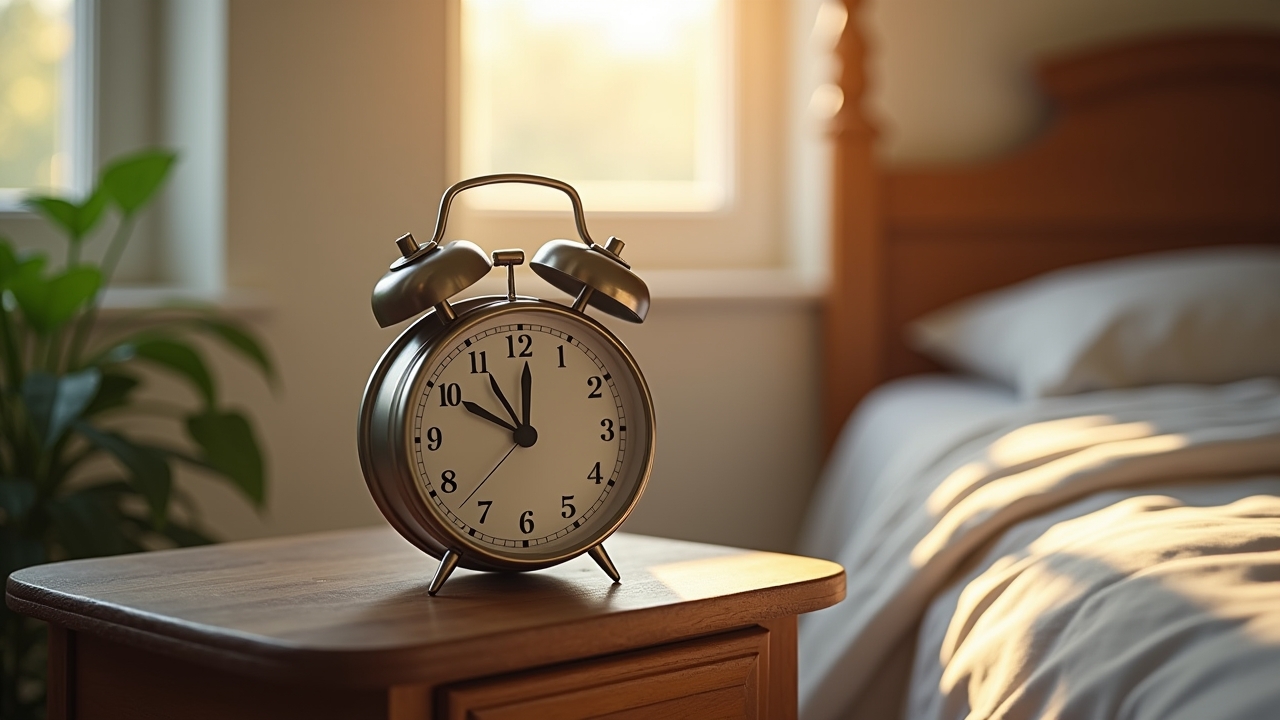
But here’s what I did instead. I bought a cheap analog alarm clock so I had zero excuse to keep my phone nearby. I also grabbed a couple of books I’d been meaning to read — actual paper books, not a Kindle. By night four or five, something shifted and I was falling asleep way faster than before.
Practical Tips That Actually Worked for Me
Look, I’m a regular person, not some sleep scientist. But these are the specific things that made my no-technology bedroom actually stick:
- Set a device curfew. I stop using all screens 45 minutes before bed. It felt extreme at first but now it’s just normal.
- Charge your phone in another room. This was the game-changer. If the phone isn’t there, you can’t scroll. Simple as that.
- Replace the habit. I started journaling for like ten minutes before bed. Sometimes I just write nonsense, and that’s fine.
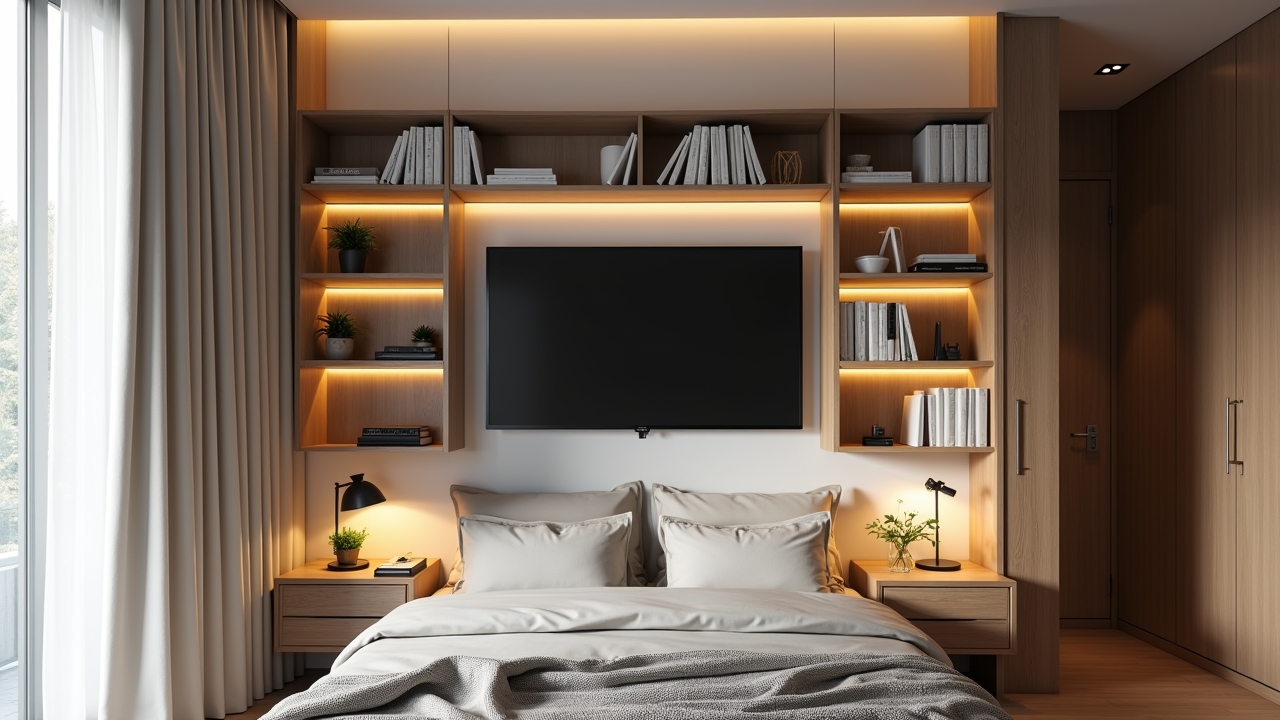
- Remove the TV from the bedroom. I know, I know. My partner was not thrilled about this one. But our bedroom environment improved so much that even she admitted it was worth it.
- Use a real alarm clock. They still make them! I got one for about eight bucks at Target and it works perfectly.
What Changed After 30 Days
After a full month of keeping my bedroom a digital-free zone, the difference was honestly kind of wild. I was falling asleep in about 15 minutes instead of tossing around for an hour. My sleep quality improved dramatically — I was actually hitting deep sleep stages that I hadn’t been reaching before.
My mornings got better too. Instead of waking up groggy and immediately doom-scrolling, I’d just get up and start my day. My sleep hygiene went from nonexistent to something I was actually proud of. Even my focus at work improved, which I hadn’t expected at all.
Advertisements
It’s Not Just About Sleep, Though
Here’s a little tangent that I think matters. When you remove technology from your bedroom, the room starts feeling different. It becomes a place for rest, relaxation, and connection — not stimulation. The Mayo Clinic recommends reserving your bed for sleep and intimacy only, and honestly they’re spot on.
Your Bedroom, Your Rules
Here’s the thing — what worked for me might need tweaking for you. Maybe you can’t ditch the phone entirely because you’re on call for work. That’s okay. Even small changes like enabling night mode or moving the phone across the room can help reduce screen time before bed.
The important part is being intentional about creating a sleep environment that actually supports rest. Start small if you need to. You don’t have to overhaul everything overnight.
If this resonated with you, I’d love for you to explore more posts like this over on Open Lumae. We’re always sharing practical, real-world tips to help you live a little better — one small change at a time.