Advertisements

Why a Recovery-First Weekly Schedule Changed Everything for Me
Here’s a stat that honestly blew my mind: according to the American College of Sports Medicine, roughly 60% of people who start a new fitness routine quit within the first six months. I was one of them — twice. And the reason wasn’t laziness or lack of motivation. It was because I kept burning out, getting hurt, and feeling like garbage. That’s when I stumbled onto the idea of a recovery-first weekly schedule, and let me tell you, it was a total game changer!
What Even Is a Recovery-First Weekly Schedule?
So basically, instead of planning your week around workouts and cramming rest days wherever they fit, you flip the whole thing. You schedule your recovery days, sleep priorities, and active rest sessions first — then you build training around what’s left. It sounds backwards, I know.
Think of it like budgeting. Most financial advisors tell you to pay yourself first, right? Same concept here, except you’re paying your body first. Your muscles, joints, and nervous system get priority billing.
I first heard about this approach from a Huberman Lab podcast episode on sleep and performance. Andrew Huberman was talking about how recovery isn’t just “not working out” — it’s an active process that needs intentional planning. That really clicked for me.
How I Used to Plan My Week (And Why It Was a Mess)
I’ll be honest, my old weekly workout plan was kind of ridiculous. Monday was chest, Tuesday was legs, Wednesday was back, and so on — six days straight with one sad rest day on Sunday where I’d lay on the couch feeling guilty. No stretching, no mobility work, definitely no meditation or sleep hygiene.
By Thursday my body was wrecked. I’d push through anyway because that’s what “discipline” looked like, or so I thought. Then I pulled something in my lower back during a deadlift session and couldn’t train for three weeks. Classic.
Building the Schedule: Recovery Blocks Come First
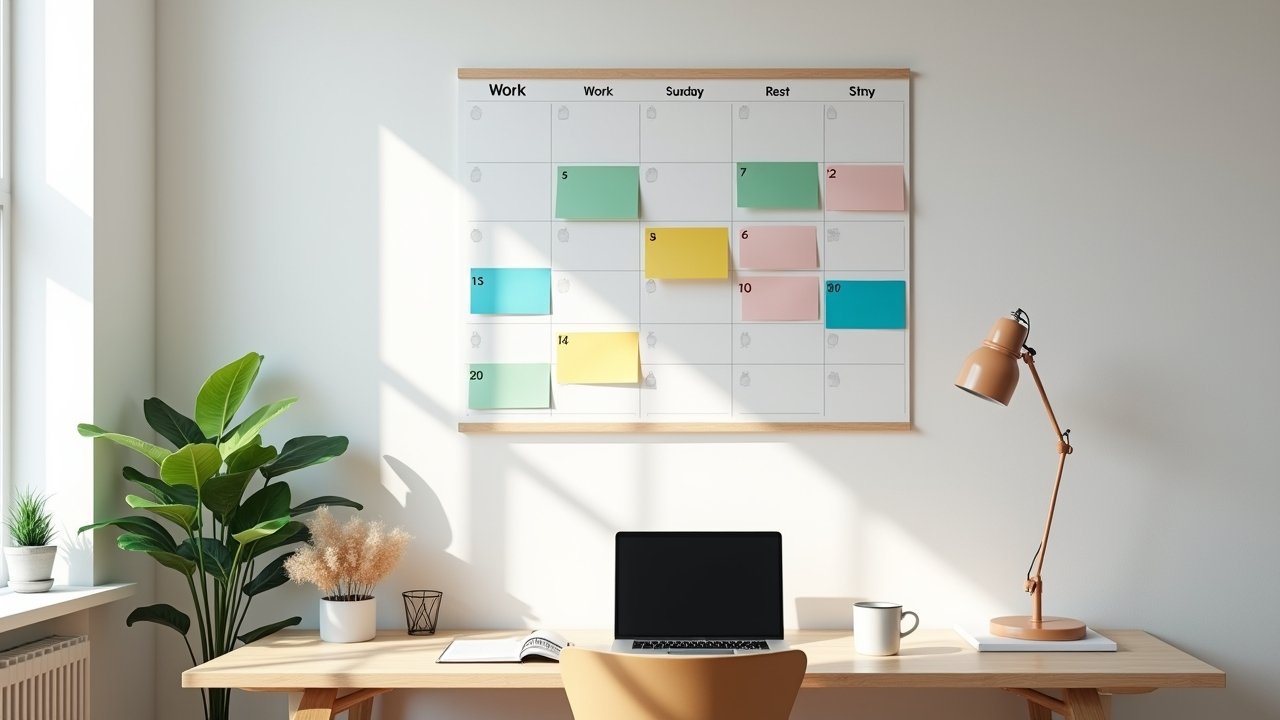
Here’s how I actually structure my recovery-first weekly schedule now. It’s not complicated, but it took some trial and error to get right.
- Sunday & Wednesday: Full recovery days. Foam rolling, a long walk, maybe some yoga from Yoga With Adriene on YouTube. These days are non-negotiable.
- Every night: Sleep protocol starts at 9 PM. Phone goes away, room gets cold, magnesium gets taken. I aim for 7-8 hours minimum.
- Monday, Tuesday, Thursday, Friday: Training days, but with built-in warm-ups and cooldowns that actually mean something — not just five minutes on the bike scrolling Instagram.
- Saturday: Active recovery. A hike, swimming, playing basketball with my kid. Something fun that moves the body without crushing it.
The key insight was that rest day planning isn’t about doing nothing. It’s about doing the right things to help your body adapt to the stress you’re putting on it during training days.
What Changed After Eight Weeks
Okay so here’s where it gets good. After about two months of this recovery-focused routine, I noticed my lifts were actually going up — even though I was training less. My weekly training volume dropped by maybe 20%, but my strength and energy were noticeably better.
Advertisements
My sleep quality improved a ton too. I was falling asleep faster and waking up feeling like an actual human being instead of a zombie. And that nagging shoulder thing I’d been ignoring for months? Gone.
I think the biggest mental shift was realizing that rest and recovery aren’t weakness. They’re literally where the gains happen. Your muscles don’t grow in the gym — they grow while you’re sleeping and recovering. That’s just basic exercise science, and I was ignoring it for years.
Your Body’s Been Trying to Tell You Something
Look, if you’re feeling constantly fatigued, dealing with nagging injuries, or just dreading your workouts, maybe the problem isn’t your training program. Maybe it’s everything around it. A recovery-first weekly schedule isn’t some trendy wellness hack — it’s common sense that most of us have been overlooking.
Customize this to fit your life. You might need three recovery days instead of two, or maybe your sleep situation needs more attention than your mobility work. Listen to your body, be safe with your progression, and don’t let ego drive your programming.
If this resonated with you, I’d love for you to explore more content like this over at Open Lumae. We’re all about helping you train smarter, not just harder. See you there!