Advertisements
Forest Bathing and Cortisol: How Walking Among Trees Literally Changed My Stress Levels
Here’s a stat that honestly blew my mind — a 2019 study published in Frontiers in Public Health found that just 20 minutes spent in nature can significantly lower cortisol levels. Twenty minutes! I remember reading that on my phone while sitting in bumper-to-bumper traffic, feeling my shoulders creep up toward my ears, and thinking, “Alright, something’s gotta give.”
That was the moment I stumbled into the world of forest bathing and cortisol reduction. And honestly? It’s been one of the best accidental discoveries of my life.
What Even Is Forest Bathing?
So forest bathing — or shinrin-yoku as it’s called in Japan — isn’t about actually bathing in a forest. I made that joke once at a dinner party and nobody laughed, so let’s move on. It’s the practice of slowly and mindfully immersing yourself in a natural environment, using all your senses to soak in the atmosphere around you.
The concept was developed in Japan during the 1980s as a form of nature therapy. It’s not hiking. It’s not exercising. It’s more like… wandering with intention, if that makes sense.
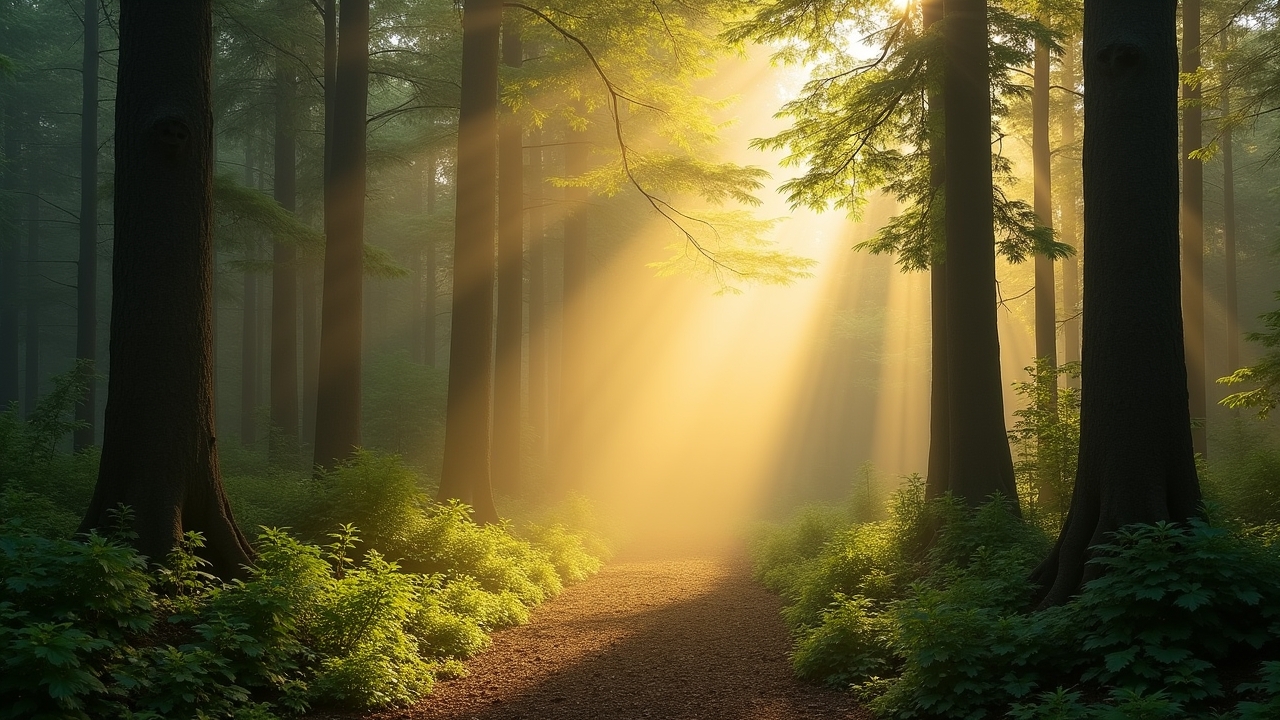
You’re supposed to notice the smell of pine needles, the way light filters through the canopy, the sound of a creek you’d normally walk right past. The Japanese government actually promoted it as a public health initiative, which I think says a lot about how seriously they take stress reduction.
The Science Behind Forest Bathing and Cortisol
Okay, let me nerd out for a second. Cortisol is your body’s main stress hormone — it’s produced by the adrenal glands and it’s basically the alarm system that tells your body something’s wrong. When cortisol stays elevated for too long, it messes with your sleep, your digestion, your immune system, pretty much everything.
Multiple studies have shown that spending time in forested environments leads to measurable decreases in salivary cortisol concentrations. A well-known study from Chiba University compared participants who walked in forests versus urban environments and found the forest group had significantly lower cortisol levels. The phytoncides — those natural oils trees release — are believed to play a role in calming the nervous system too.
There’s also evidence that forest bathing lowers blood pressure, reduces heart rate, and boosts natural killer cell activity. It’s not woo-woo stuff. The data is actually pretty solid.
My First (Slightly Awkward) Attempt
I’ll be honest, my first time trying shinrin-yoku was kind of a disaster. I drove to a local state park, walked about fifty feet into the trail, and just… stood there. Feeling ridiculous. A jogger passed me and gave me this look like I was lost or something.
Advertisements
But I stuck with it. I closed my eyes, took a few deep breaths, and started paying attention. The smell of damp earth after rain hit me first. Then the birds — so many birds I’d been tuning out my whole life.
By the time I walked back to my car about 40 minutes later, I felt genuinely different. Lighter. My jaw had unclenched for the first time in what felt like weeks. I won’t pretend it was some magical transformation, but something shifted that day.
Practical Tips That Actually Helped Me
- Leave your phone on silent. I know, I know. But notifications destroy the whole mindfulness piece.
- Go slow. Like, embarrassingly slow. This isn’t a cardio session.
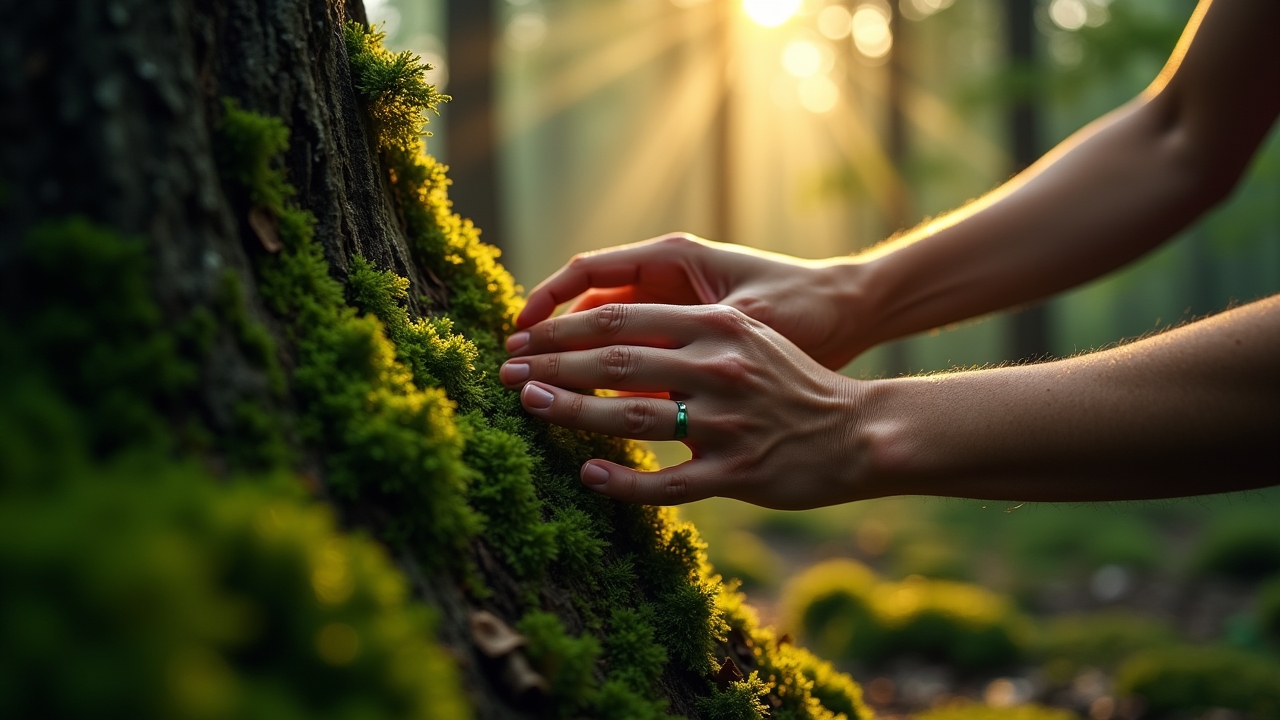
- Engage all five senses. Touch the bark, smell the air, listen to what’s happening around you.
- Aim for at least 20-30 minutes. That’s the sweet spot most research points to for cortisol reduction.
- Go alone sometimes. I love my friends, but the chatter kinda defeats the purpose.
- Don’t force it. Some days you’ll feel nothing special, and that’s totally fine.
Your Trees Are Waiting
Look, I’m not saying forest bathing is going to fix all your problems. Chronic stress is complicated and sometimes you need professional help — therapy, medication, whatever works for you. But as a free, accessible tool for managing everyday cortisol spikes? It’s honestly hard to beat.
Start small. Find a park. Slow down. Your nervous system will thank you for it. And if you’re curious about more ways to support your wellbeing naturally, come explore what we’re sharing over at Open Lumae — there’s plenty more where this came from.