Advertisements
Dopamine Fasting Outdoors: How Stepping Outside Rewired My Overstimulated Brain
Here’s a wild stat that honestly shook me — the average person checks their phone 144 times per day. I was definitely above average. Last spring, I hit a wall where nothing felt exciting anymore. Not my favorite shows, not music, not even food really. Everything was just… meh. That’s when I stumbled onto the concept of dopamine fasting, and more specifically, doing it outdoors. It completely changed how I experience everyday life, and I’m not even being dramatic!
What Even Is Dopamine Fasting?
So dopamine fasting is basically the idea of temporarily cutting out highly stimulating activities to reset your brain’s reward system. We’re talking social media, video games, junk food, even constant music — anything that gives you that quick hit of pleasure. The concept was popularized by Dr. Cameron Sepah at UCSF, though it’s been kinda misunderstood by the internet.
The thing is, you’re not literally fasting from dopamine. That’s impossible and would actually be terrible for you. What you’re really doing is taking a break from compulsive behaviors that hijack your reward pathways.
Why I Took My Dopamine Fast Outside
My first attempt at dopamine fasting was a disaster. I sat in my apartment with no phone, no TV, and no internet. Lasted about 45 minutes before I was climbing the walls. I literally reorganized my entire spice rack just to feel something.
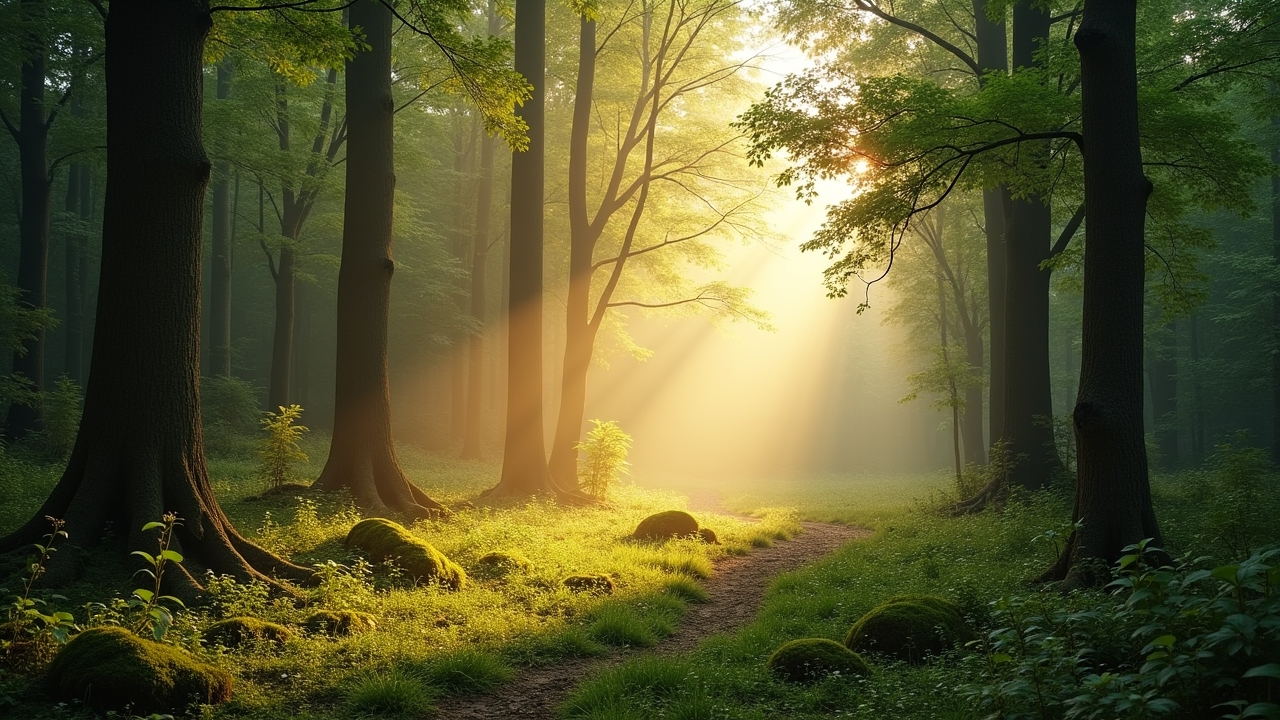
Then a buddy of mine suggested I try it outdoors. And honestly? Game changer. Nature provides what I’d call “gentle stimulation” — enough to keep you from going crazy, but not so much that it floods your brain like a TikTok scroll session. There’s actual research from the American Psychological Association showing that time in nature reduces stress hormones and improves mental clarity.
The first time I did a full day hike with zero technology, something weird happened around hour three. Colors looked brighter. I noticed bird songs I’d been tuning out my whole life. It was like someone had been slowly turning down the volume on reality, and suddenly it got cranked back up.
How to Actually Do a Dopamine Fast Outdoors
Alright, here’s what’s worked for me after about eight months of practice. Fair warning — your mileage may vary, but these tips should give you a solid starting point.
- Start small. Don’t try a 12-hour wilderness retreat on day one. I started with two-hour walks in a local park with my phone on airplane mode.
- Leave the earbuds at home. This was the hardest part for me. I’m a podcast junkie. But the whole point is letting your brain exist without constant input.
- Pick a natural setting. A busy downtown sidewalk ain’t gonna cut it. Find a trail, a quiet beach, a forest preserve — somewhere with minimal digital advertising and noise pollution.
- Bring water and a journal. Hydration is obvious, but the journal surprised me. Some of my best ideas and self-reflections came during these outdoor fasts.
- Don’t set rigid rules. Some people say no talking to anyone, no reading, nothing. I think that’s too extreme for most folks. Just cut the digital stimulation and let nature do its thing.
What I Noticed After a Month
I won’t pretend this was some magical overnight transformation. The first couple weeks were honestly frustrating. My brain kept reaching for stimulation that wasn’t there, like a phantom limb thing.
But after about a month of weekly outdoor dopamine fasts, I started noticing real changes. My attention span got noticeably better — I could read a whole book chapter without grabbing my phone. Food tasted better. Conversations with friends felt deeper and more engaging. Even my sleep improved, which was a side benefit I wasn’t expecting at all.
Advertisements
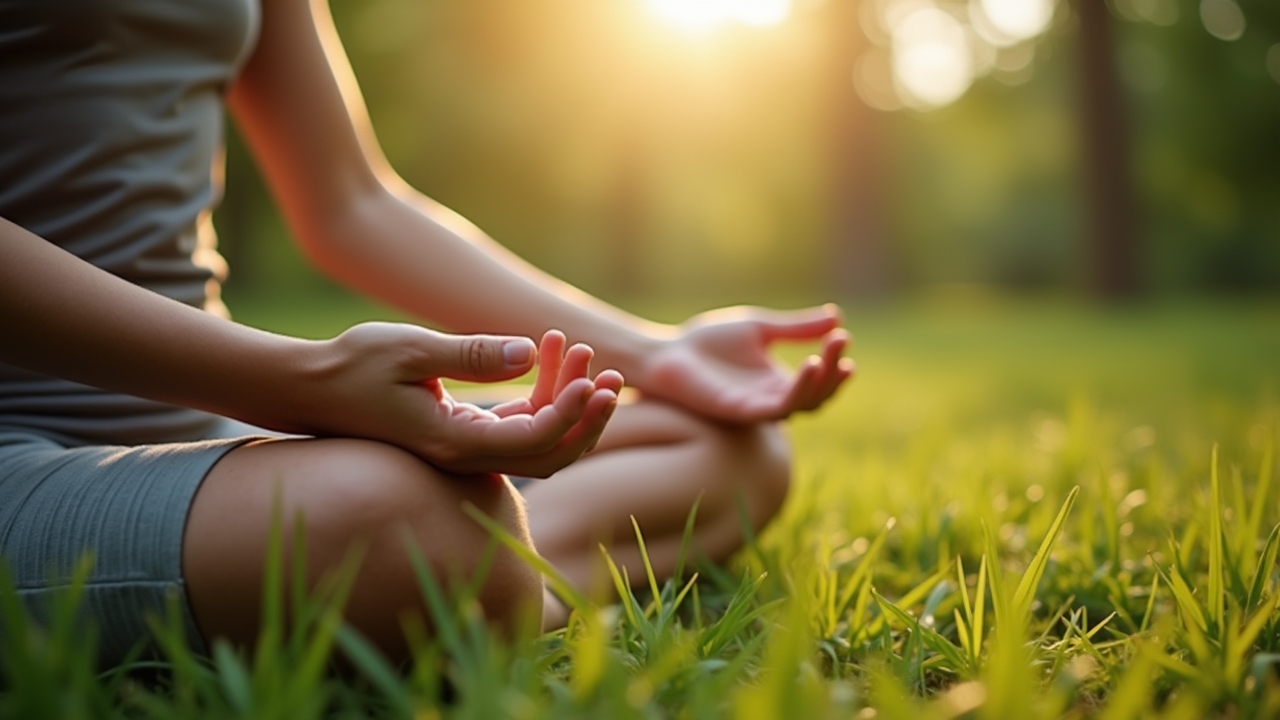
The outdoor component was crucial though. Being surrounded by trees, fresh air, and natural light seemed to accelerate the whole reset process. There’s a reason the Japanese practice of shinrin-yoku (forest bathing) has been studied so extensively.
Your Brain Deserves a Break — Seriously
Look, I’m not saying dopamine fasting outdoors is some cure-all miracle. But in a world that’s constantly screaming for our attention, deliberately stepping away and letting nature recalibrate your senses feels almost revolutionary. Start with what feels manageable and adjust from there — everyone’s nervous system is different. Just please be safe out there, tell someone where you’re going, and don’t wander off-trail in unfamiliar areas. If this kind of mindful living resonates with you, check out more posts on Open Lumae — we’re always exploring ways to live a little more intentionally.