Advertisements
Why I Started Taking a Personal Off-Grid Day Monthly (And Why You Should Too)
Here’s a stat that honestly shook me: the average person checks their phone 144 times a day. When I first read that, I laughed. Then I tracked my own usage for a week and stopped laughing real quick.
That’s exactly how my personal off-grid day monthly ritual got started. I was burned out, constantly distracted, and honestly a little scared of how dependent I’d become on screens. So about two years ago, I committed to one full day each month completely disconnected — no phone, no laptop, no smartwatch, nothing.
It’s been one of the best decisions I’ve ever made. Let me walk you through how it works and why it might change your life too.
What Exactly Is a Personal Off-Grid Day?
A personal off-grid day is pretty much what it sounds like. You pick one day per month where you intentionally disconnect from all digital devices and live without the constant buzz of notifications.
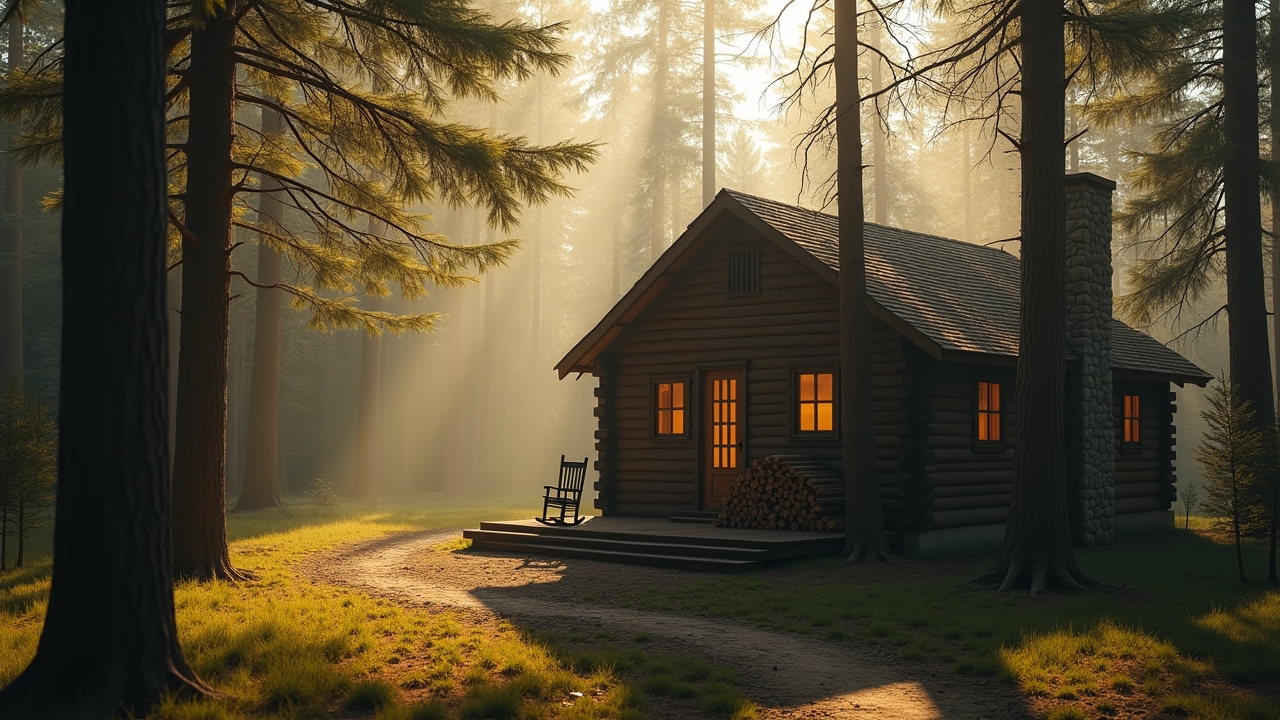
Now, I’m not talking about moving to a cabin in the woods or going full survivalist. It’s simpler than that. You’re just giving your brain a break from the digital noise that we’ve all normalized.
Think of it as a digital detox but on a regular, sustainable schedule. The monthly part is what makes it powerful — consistency builds the habit.
My First Attempt Was a Disaster
I’ll be honest, my first off-grid day was rough. Like, embarrassingly rough. I kept reaching for my phone out of pure muscle memory, probably thirty times before noon.
I didn’t plan anything to do, which was my biggest mistake. So there I was, sitting on my couch at 10 AM, feeling genuinely anxious because I didn’t know what to do with myself. That realization alone was worth the experiment.
By the afternoon though, something shifted. I went for a walk without earbuds and actually noticed things in my neighborhood I’d never seen before. A little free library two blocks away. A garden with the most ridiculous sunflowers. It felt weird and wonderful at the same time.
Advertisements
How to Plan Your Monthly Off-Grid Day
After fumbling through those first couple attempts, I’ve figured out a system that actually works. Here’s what I’d recommend:
- Pick the same day each month. I use the first Saturday. Having it on the calendar removes the decision fatigue.
- Tell people in advance. Let your close friends and family know you’ll be unreachable. This eliminates the guilt and worry.
- Plan analog activities. Stock up on books, art supplies, board games, or plan a hike. Boredom is the enemy here.
- Set up an emergency contact system. I leave my phone on with only one person able to reach me through a specific ringtone. Everything else is silenced.
- Prep meals the night before. You’d be surprised how much you rely on your phone for recipes.
The Mental Health Benefits Are Real
I’m not just making this up — there’s actual science behind why unplugging helps. Research from the American Psychological Association has shown that constant connectivity is linked to higher stress levels. Taking regular screen-free days can reduce anxiety, improve sleep quality, and boost your overall mood.
Personally, I’ve noticed I sleep way better the night after my off-grid day. My mind feels quieter, less cluttered. It’s like defragmenting an old computer — everything just runs smoother afterwards.
Also, and this was unexpected, my relationships have gotten better. When you’re not half-distracted by your phone during conversations, people notice. My partner told me I seem “more present” on those days, which was both a compliment and a wake-up call.
Common Pushback (And Why It’s Usually Excuses)
“But what if someone needs me?” That’s the big one I hear. And look, I get it — I was terrified of that too. But the emergency contact system handles it, and honestly, most things can wait 24 hours.
“I’ll be bored.” Good! Boredom is actually where creativity lives. Some of my best ideas for lesson plans and personal projects have come during off-grid days when my brain finally had room to wander.
Your Turn to Unplug
Starting a personal off-grid day monthly isn’t about being anti-technology. It’s about reclaiming a little bit of your attention and mental space in a world that’s constantly demanding both. Start small if you need to — even a half day counts.
Tailor it to your life and your comfort level. Just make sure you’re being safe about it, especially if you have health conditions that require device monitoring. For more ideas on living more intentionally and building better habits, check out other posts on Open Lumae. Your brain will thank you.