Advertisements
Is Screen Time Hurting Your Sleep? Yeah, It Probably Is — Here’s What I Learned the Hard Way
Here’s a stat that honestly shook me: according to the Sleep Foundation, using electronic devices before bed can delay your internal clock by up to an hour. An entire hour! I used to think I was just a “night owl,” but turns out my phone was basically hijacking my brain every single night.
Look, if you’ve been wondering whether screen time is hurting your sleep, I’m here to tell you — from painful personal experience — that it absolutely can. And understanding why is the first step to actually fixing the problem.
How I Realized My Phone Was Wrecking My Sleep Quality
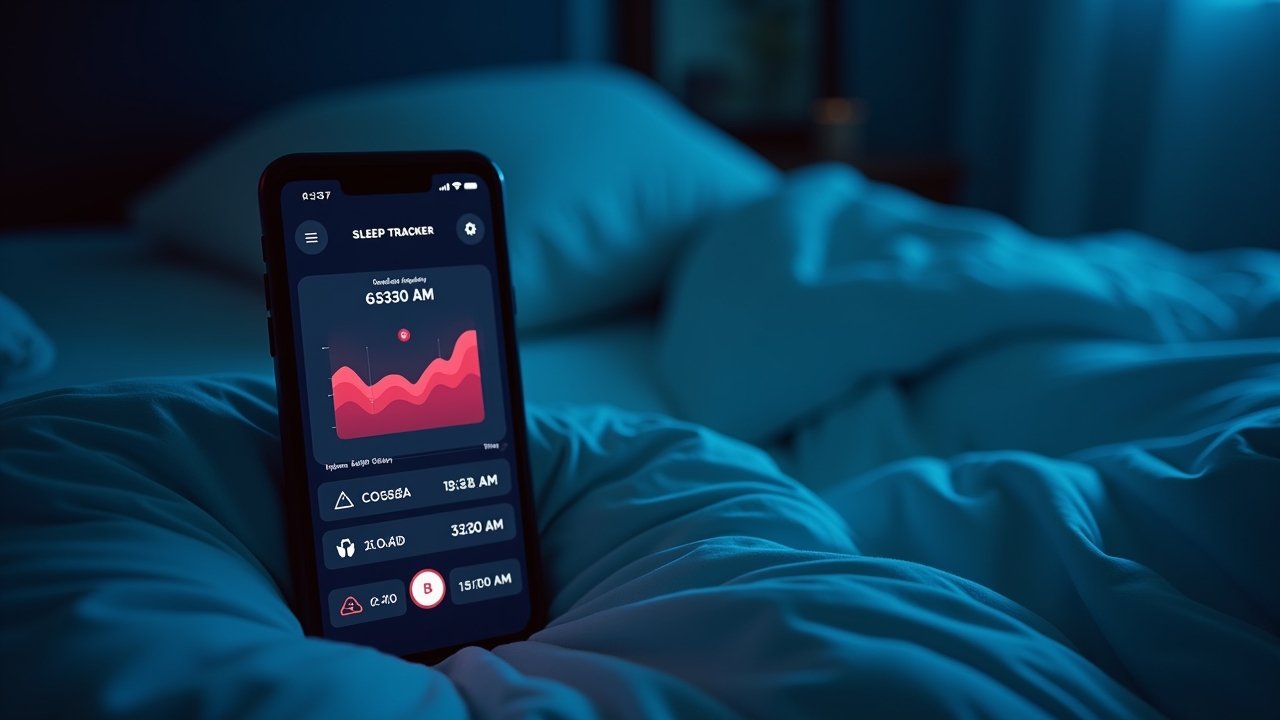
So about two years ago, I was a total mess. I’d crawl into bed around 10 PM, but then I’d scroll through Instagram, check emails, maybe watch a couple YouTube videos. Before I knew it, it was midnight and I still didn’t feel tired.
The next morning? Absolute zombie mode. I was groggy, irritable, and honestly not great to be around — just ask my wife.
I kept blaming stress or my mattress or even the weather, which sounds ridiculous now. It wasn’t until my doctor straight-up asked me about my nighttime screen habits that things clicked. The blue light from my devices was messing with my melatonin production, and my sleep-wake cycle was completely thrown off.
The Science Behind Blue Light and Sleep Disruption
Okay, here’s the deal in simple terms. Your brain produces a hormone called melatonin that tells your body it’s time to sleep. When you stare at screens — phones, tablets, laptops, whatever — the blue light emitted tricks your brain into thinking it’s still daytime.
So melatonin production gets suppressed. Your circadian rhythm gets confused. And falling asleep becomes way harder than it should be.
It’s not just about the light, either. The content itself keeps your mind buzzing. Scrolling through social media or reading stressful news articles puts your brain into an alert state, which is basically the opposite of what you need before bed.
What Actually Helped Me Sleep Better
I’m not gonna lie, it took some trial and error. But here’s what ended up working for me after a lot of frustrated nights and failed attempts.
Advertisements
- The 60-minute rule: I started putting my phone down at least one hour before bed. This was brutal at first — like, genuinely uncomfortable. But after about a week, I noticed I was falling asleep so much faster.
- Night mode isn’t enough: I used to think turning on the blue light filter fixed everything. It helps a little, but research from the American Academy of Ophthalmology suggests it’s not a magic solution. Reducing overall screen exposure is way more effective.
- Replaced scrolling with reading: I grabbed an actual paperback book. Old school, I know. But reading a physical book helped my brain wind down in a way that screens never could.
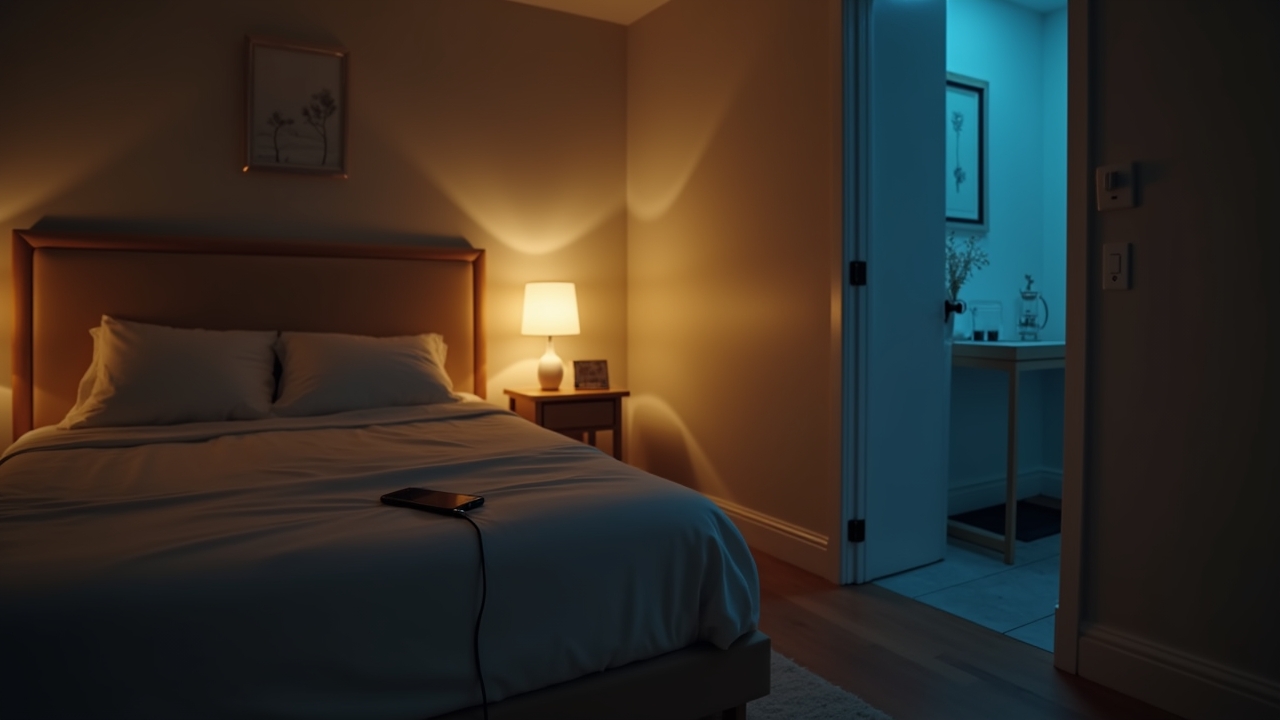
- Kept devices out of the bedroom: This one was a game-changer. I bought a cheap alarm clock so my phone wasn’t even on the nightstand anymore. Out of sight, out of mind.
But What About Kids and Screen Time Before Bed?
As a teacher, this is something I see constantly and it low-key worries me. Kids are on devices constantly, and parents often don’t realize how much it’s affecting their children’s sleep hygiene. A tired kid in class is not a kid who’s ready to learn — trust me on that.
The American Academy of Pediatrics recommends establishing consistent screen-free times, especially before bedtime. If you’re a parent reading this, setting boundaries around evening device usage could seriously improve your child’s rest and even their mood the next day.
Your Sleep Is Worth Fighting For
Here’s the thing — none of this has to be all-or-nothing. You don’t need to throw your phone in the ocean. Start small, experiment, and figure out what works for your routine specifically.
What I do know is that once I stopped letting screens control my evenings, my insomnia improved, my energy came back, and I just felt like a more functional human being. That’s not nothing.
If you found this helpful and want more tips on wellness, better habits, and living a little more intentionally, check out more posts over at Open Lumae. We’ve got plenty more where this came from!