Advertisements
Outdoor Functional Training Objects: My Honest Guide to Training Outside Like a Beast
Here’s a stat that honestly blew my mind — studies show that exercising outdoors can boost your motivation by up to 50% compared to indoor workouts. Fifty percent! I stumbled into outdoor functional training about six years ago, mostly because my gym membership got too expensive and I was too stubborn to quit working out. Turns out, it was the best accident of my fitness journey.
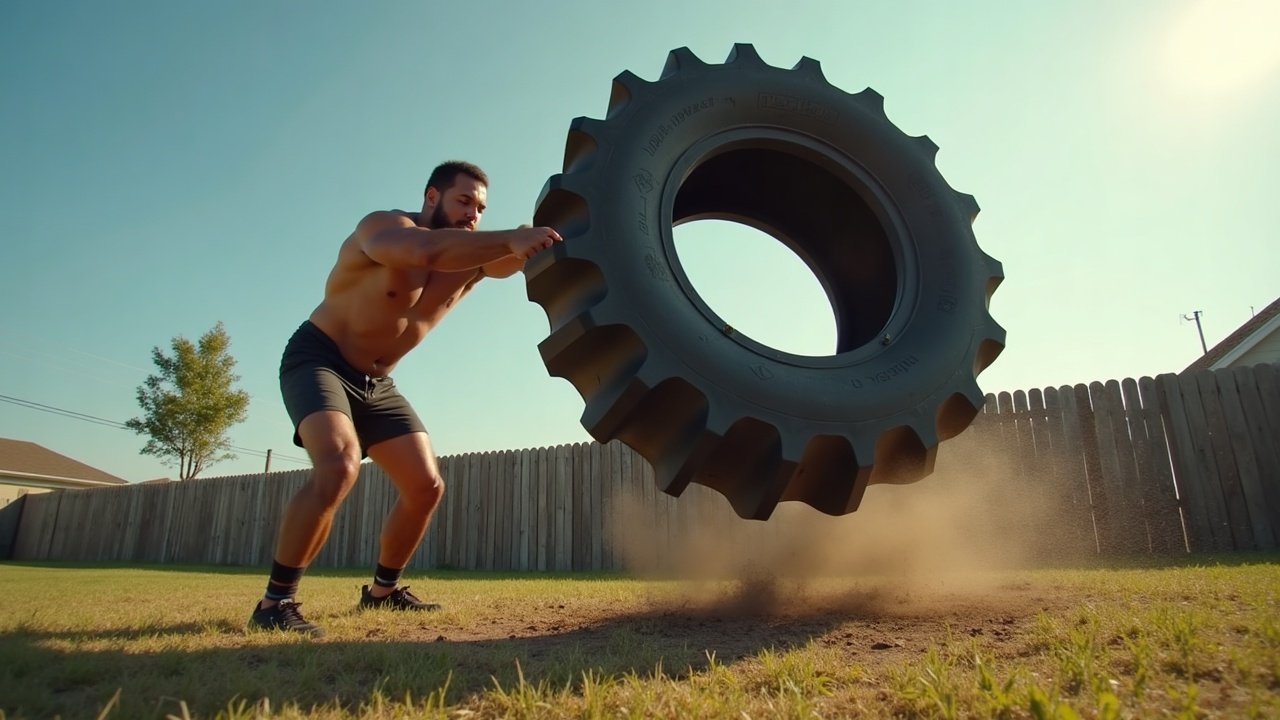
Outdoor functional training objects are basically any piece of equipment designed to help you perform full-body, movement-based exercises outside. We’re talking stuff that builds real-world strength — the kind that helps you carry groceries, chase your kids, or move furniture without throwing out your back. And honestly, once you start training outdoors with the right gear, going back to a stuffy gym feels kinda weird.
What Counts as an Outdoor Functional Training Object?
So let me break this down because I was confused about this for way too long. Functional training objects are equipment pieces that promote natural, multi-joint movements rather than isolating one muscle group. Think less bicep curl machine, more sandbag carry.
The most common outdoor functional training equipment includes things like:
- Battle ropes
- Sandbags and heavy bags
- Kettlebells
- Plyo boxes
- Suspension trainers (like TRX systems)
- Slam balls and medicine balls
- Resistance bands
- Outdoor pull-up rigs and calisthenics stations
Some parks have even started installing permanent outdoor gym equipment — you’ve probably seen those metal structures with pull-up bars and dip stations. Those are legit goldmines if you know how to use them properly.
My Favorite Objects (And the One That Almost Broke Me)
I gotta be real with you — my first experience with a battle rope was humbling. Like, embarrassingly humbling. I thought I was in decent shape, grabbed both ends, and was completely gassed after maybe 40 seconds. My forearms were on fire and I couldn’t feel my shoulders the next day.
But that’s the beauty of these outdoor training tools. They expose weaknesses you didn’t know you had. Over time, battle ropes became one of my go-to pieces for conditioning and grip strength.
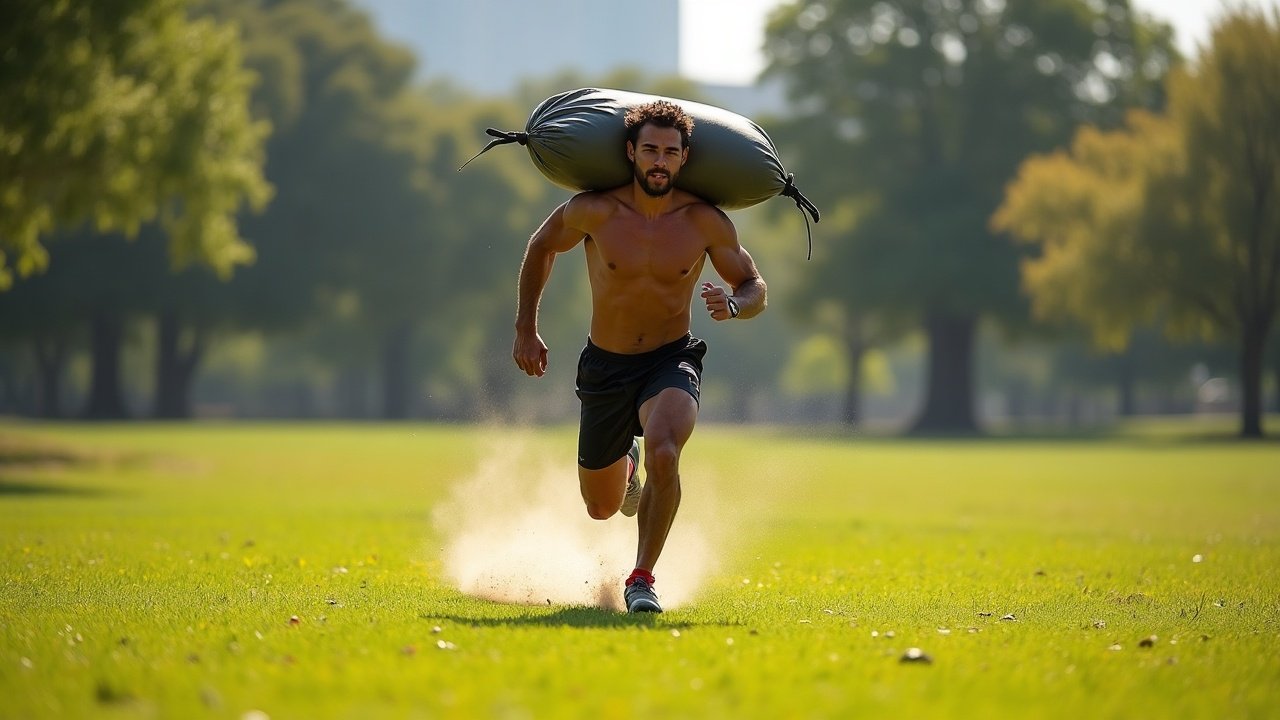
My absolute favorite, though? The humble sandbag. It’s cheap, it shifts weight unpredictably, and it mimics real-life lifting better than almost any barbell exercise. I bought mine from a local hardware store for like twelve bucks — just a bag of play sand stuffed into a duffel bag. Not fancy, but it works incredibly well for carries, cleans, and squats.
Kettlebells Deserve Their Own Shoutout
If I could only train with one outdoor functional training object for the rest of my life, it’d be a kettlebell. No contest. The swing alone works your posterior chain, core, and cardiovascular system all at once.
Advertisements
I made the mistake early on of buying a kettlebell that was way too light. Don’t do that. For most guys, starting with a 16kg bell is solid, and for most women, 8-12kg works great. You’ll progress faster than you think.
Setting Up Your Own Outdoor Training Space
You don’t need a massive backyard or a fancy setup. Honestly, a patch of grass and two or three pieces of equipment is all it takes to get a killer full-body workout outdoors.
Here’s what I’d recommend if you’re just getting started with bodyweight and functional fitness outside:
- One kettlebell (medium weight for your level)
- A set of resistance bands
- A jump rope for warm-ups
- A pull-up bar you can mount on a door frame or tree branch
That’s it. Seriously. You can build a complete outdoor exercise routine around just those four things. Add a sandbag later when you’re ready to level up.
Take It Outside — Your Body Will Thank You
Look, the whole point of functional training is preparing your body for life. And life happens outside, not under fluorescent lights. The fresh air, the uneven terrain, the natural light — it all contributes to a more engaging and effective workout experience.
Just remember to start slow, focus on form before intensity, and don’t be that person who skips the warm-up. I learned that lesson the hard way with a pulled hamstring during an overly ambitious sprint session. Not fun.
If you’re curious about more fitness tips, training ideas, or ways to upgrade your active lifestyle, check out more posts on Open Lumae. We’re always dropping new content to help you move better and feel stronger!