
Advertisements
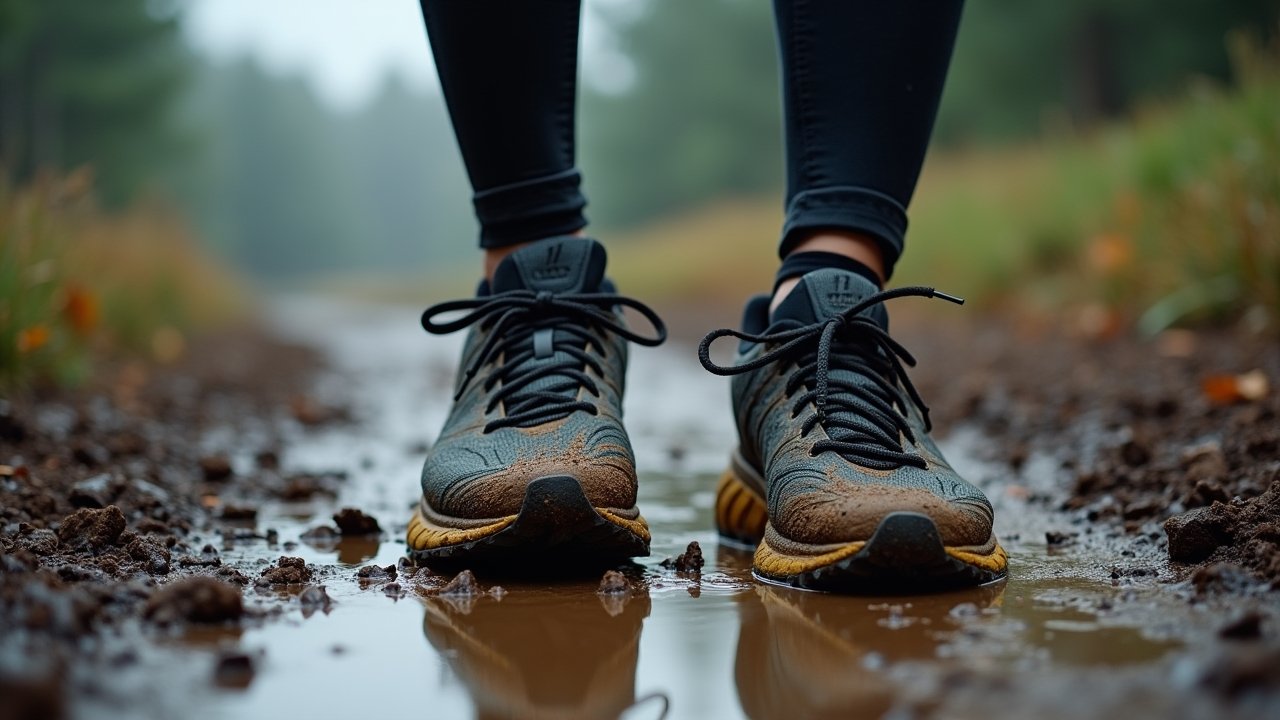
Training Bad Weather Resilience: How I Learned to Stop Skipping Workouts When It Rained
Here’s a stat that honestly blew my mind — according to a study published in Frontiers in Psychology, people are up to 50% less likely to exercise on days with poor weather conditions. Fifty percent! That means half of us are basically letting a little rain or wind decide our fitness journey for us. I was absolutely one of those people for years, and let me tell you, it was wrecking my consistency.
Training bad weather resilience isn’t just about being tough or proving something to your Instagram followers. It’s about building the kind of mental and physical adaptability that carries over into every area of your life. And honestly? Some of my best workouts have happened in the worst conditions.
Why I Used to Be a Total Weather Wimp
I’ll be real with you — there was a time when I’d check the forecast obsessively, and if I saw anything below 45°F or any rain icon, my running shoes stayed in the closet. I convinced myself it was “smart” to skip outdoor training when conditions weren’t perfect. It wasn’t smart. It was just comfortable.
The turning point came during a half marathon I’d been training for. I had skipped probably a dozen cold weather runs, and race day turned out to be 38 degrees with sideways rain. I was absolutely miserable and unprepared. My pace dropped, my mental game crumbled, and I finished way behind my goal time.
That’s when I realized adverse weather training wasn’t optional — it was essential.
Start Small and Layer Up
The biggest mistake I made early on was trying to go full beast mode in terrible conditions right away. Don’t do that. Instead, ease into it with shorter sessions during mild discomfort — maybe a light drizzle or a slightly chilly morning.
Layering is your best friend here. I’m a huge fan of the three-layer system that REI recommends — a moisture-wicking base layer, an insulating mid layer, and a waterproof outer shell. Getting this right was honestly a game changer for me because I stopped being cold and started actually enjoying winter running.
Also, invest in decent gear. Cheap rain jackets that don’t breathe will make you sweatier than the rain would’ve. Trust me on this one.
The Mental Side Is Honestly the Hardest Part
Here’s what nobody really talks about enough — building cold weather endurance and storm-proof fitness is like 70% mental. Your body adapts faster than your brain wants to admit. The resistance comes from that little voice saying “just do it tomorrow.”
Advertisements
One trick that worked for me was the “five-minute rule.” I’d tell myself I only had to train outside for five minutes, and if I truly hated it, I could go back inside. Spoiler alert: I almost never went back in. Once you’re out there and moving, something clicks.
Visualization helps too. Before heading out into rough conditions, I’d spend a minute imagining myself finishing strong and feeling that post-workout high. It sounds corny, but Psychology Today backs up visualization as a legit performance tool.
Safety First — Because Being Tough and Being Reckless Aren’t the Same
Okay, I need to be real here. There’s a line between building resilience and being dangerous. Lightning? Stay inside. Ice storms? Stay inside. Extreme wind chill warnings? You guessed it.
Here’s a quick checklist I follow before heading out:
- Check for weather advisories or lightning risks
- Tell someone your route and expected return time
- Wear reflective or high-visibility clothing in low-light conditions
- Bring your phone in a waterproof case
- Know the signs of hypothermia and frostbite
Rainy day workouts and wind resistance training are great for building outdoor fitness toughness, but not at the expense of your safety. Period.
Embrace the Suck — Your Future Self Will Thank You
Look, nobody’s saying you need to love running in a downpour. But training through uncomfortable weather builds a kind of resilience that transfers to everything — work stress, life setbacks, all of it. You start proving to yourself that discomfort isn’t a stop sign, it’s just scenery on the road.
Adapt these tips to your own fitness level and climate. What works for someone in Portland is gonna look different than someone in Minnesota. The principle stays the same though — get out there, be safe, and stop letting the weather app control your progress.
If you enjoyed this, head over to Open Lumae for more posts on building a stronger, more adaptable version of yourself. We’ve got plenty more where this came from!