
Advertisements
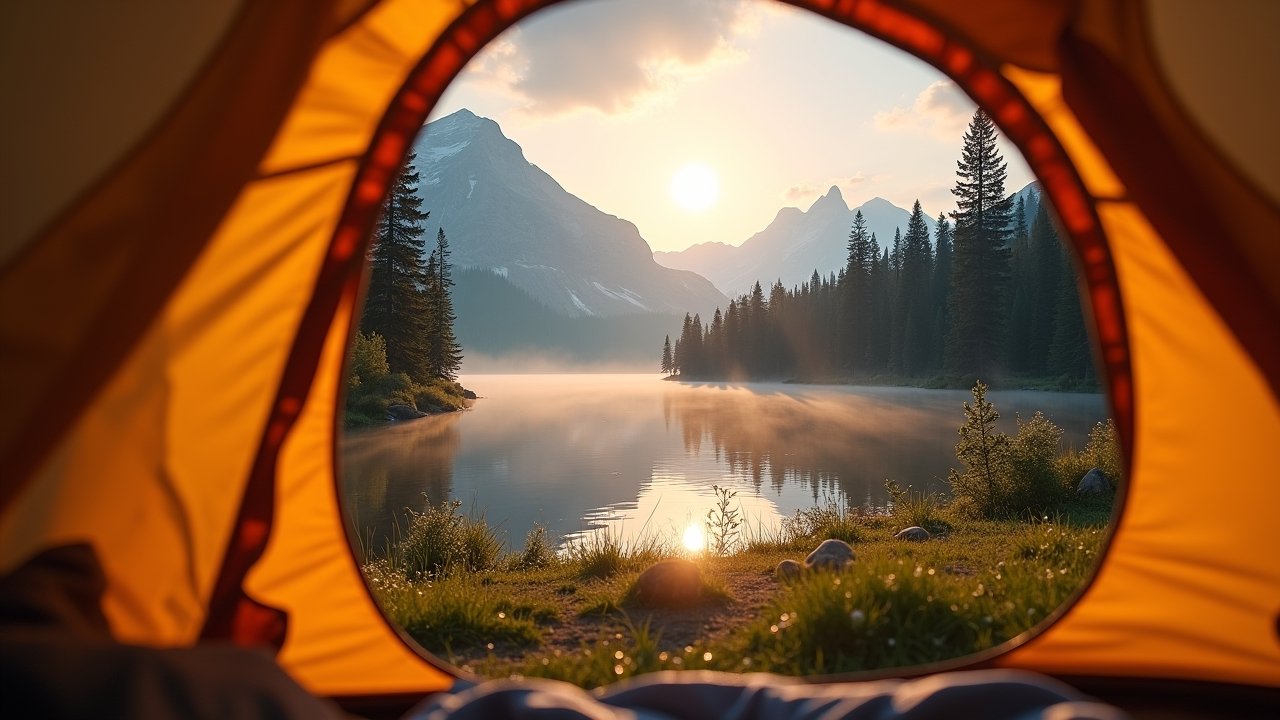
Micro-Vacations: Why Short Trips Might Be the Best Way to Recharge Your Batteries
Here’s a stat that honestly blew my mind — a study from the American Psychological Association found that the stress-relief benefits of a long vacation fade within just two to four weeks of returning to work. Two weeks! All that planning, all that money, and your brain basically hits the reset button on stress before your suitcase is even fully unpacked. That’s exactly why I became a total convert to micro-vacations, and I think you should be too!
Micro-vacations — those short trips lasting one to three days — have honestly changed how I think about rest and travel. Instead of banking all my relaxation on one big annual trip, I’ve learned to sprinkle little getaways throughout the year. And let me tell you, the difference in how I feel day-to-day is night and day.
What Exactly Is a Micro-Vacation?
A micro-vacation is basically any short trip designed to help you recharge without the massive time commitment or budget of a traditional vacation. We’re talking weekend getaways, long-weekend escapes, or even strategic one-night stays somewhere that isn’t your couch. The whole point is to break your routine just enough that your brain gets a proper reset.
I used to think vacations had to be these grand, week-long affairs to “count.” That was a mistake. My first accidental micro-vacation happened when I booked a last-minute cabin about two hours from home because I was just so burned out from work — and I came back feeling more refreshed than I had after some full-blown international trips.
Why Short Trips Actually Work Better for Recharging
There’s real science behind this. Research published in the journal Tourism Management suggests that happiness levels peak during the anticipation and early days of a trip. So shorter, more frequent trips give you more of those happiness spikes throughout the year.
Plus, there’s way less pre-trip stress. No agonizing over two-week itineraries or worrying about work piling up while you’re gone. I remember one year I spent so much energy planning a 10-day European trip that I was honestly exhausted before I even left. With a micro-vacation, the planning takes maybe thirty minutes tops.
The recovery time is also practically zero. You come back on Sunday evening and you’re not battling jet lag or facing a thousand emails. It’s kinda beautiful, actually.
Practical Tips for Planning the Perfect Mini Getaway
Okay so here’s where I get specific because I’ve made plenty of mistakes along the way.
- Keep it within a three-hour drive. Anything longer and you spend half your micro-vacation just getting there. I once drove five hours each way for a one-night trip and it was just silly.
- Don’t over-plan. Pick one or two activities max. The goal is relaxation, not cramming a week’s worth of sightseeing into 48 hours.
- Use long weekends strategically. Pair a Friday off with a Saturday and you’ve got yourself a mini escape without burning too much PTO.
- Try something different each time. A nature retreat one month, a foodie city trip the next. Variety keeps these short getaways feeling fresh and exciting.
- Budget-friendly options are everywhere. Sites like Hipcamp have affordable camping and glamping spots that feel like a total escape from daily life.
One thing that was a game-changer for me — I started keeping a running list of places within driving distance that look interesting. So when burnout starts creeping in, I don’t waste mental energy deciding where to go. I just pick one and book it.
Advertisements
When Mini Escapes Become a Lifestyle
After about a year of doing this regularly, something shifted. I stopped feeling like I was constantly running on empty and desperately waiting for “real” vacation time. My stress levels were being managed throughout the year instead of reaching a breaking point. My partner noticed it too — said I was way less grumpy on random Tuesday evenings, which, fair point.
The mental health benefits of frequent short breaks honestly can’t be overstated. Even a simple overnight stay somewhere new can do wonders for your perspective and energy levels.
Your Next Trip Is Closer Than You Think
Look, you don’t need two weeks off and a plane ticket to somewhere exotic to feel rested. Sometimes all it takes is a 90-minute drive and a change of scenery. Start small, be flexible, and pay attention to what actually makes you feel recharged — it might surprise you. And if you’re looking for more ideas on living a more intentional, balanced life, check out more posts over at Open Lumae. Your future well-rested self will thank you!