
Advertisements
Seasonal Light Energy Levels: Why You Feel Like a Different Person Every Few Months
Here’s a stat that honestly blew my mind when I first stumbled across it — people living in northern latitudes can receive up to 18 fewer hours of sunlight per day in winter compared to summer. Eighteen hours! No wonder I used to feel like a completely different human being between June and January. If you’ve ever noticed your energy tanking when the days get shorter, you’re not imagining things. Seasonal light energy levels play a massive role in how we feel, sleep, and function throughout the year.
What Exactly Are Seasonal Light Energy Levels?
So let me break this down real simple. Seasonal light energy levels refer to how the amount and intensity of natural sunlight changes across the four seasons and how that directly impacts our body’s energy production and mood regulation. It’s basically the reason you feel unstoppable in July and like a hibernating bear by November.
The science behind it is actually pretty fascinating. Our bodies rely on sunlight to regulate circadian rhythms — that internal clock that tells us when to be awake and when to sleep. When daylight hours shrink during fall and winter, our brains produce more melatonin, the hormone that makes you drowsy. Meanwhile, serotonin levels — the feel-good chemical — tend to drop.
I remember a few years back, around mid-October, I just could not figure out why I was dragging through every single afternoon. I thought I was getting sick or something. Turns out, it was literally the light — or lack of it.
How Changing Seasons Mess With Your Body
Alright, here’s where it gets personal. I’m a teacher, and every September I’d notice my focus getting fuzzy right around 2 PM. My students were bouncing off the walls, and I could barely keep my eyes open. It was frustrating, honestly.
What’s happening is that reduced sunlight exposure affects your hypothalamus, which controls energy, appetite, and sleep. Less light means your body starts conserving energy, almost like it’s preparing for some kind of ancient winter survival mode. Some folks experience this mildly, while others develop what’s known as Seasonal Affective Disorder (SAD), which is a whole other level of seasonal energy depletion.
And it ain’t just winter, by the way. Summer can throw people off too. Extremely long days can disrupt sleep patterns, leading to a weird kind of wired-but-exhausted feeling. I’ve been there — staying up till 10 PM because the sun’s still blazing and then regretting it at 5:30 AM.
Signs Your Energy Is Being Affected by Seasonal Light Changes
- You feel excessively tired despite getting enough sleep
- Craving carbs and comfort food more than usual
- Difficulty concentrating during shorter daylight months
- Mood swings that seem to follow a seasonal pattern
- Waking up feels nearly impossible when it’s still dark outside
Practical Ways to Manage Your Seasonal Energy
Okay, so here’s the good news — you’re not powerless here. After years of trial and error (heavy on the error), I’ve found a few things that actually work to stabilize energy levels throughout the year.
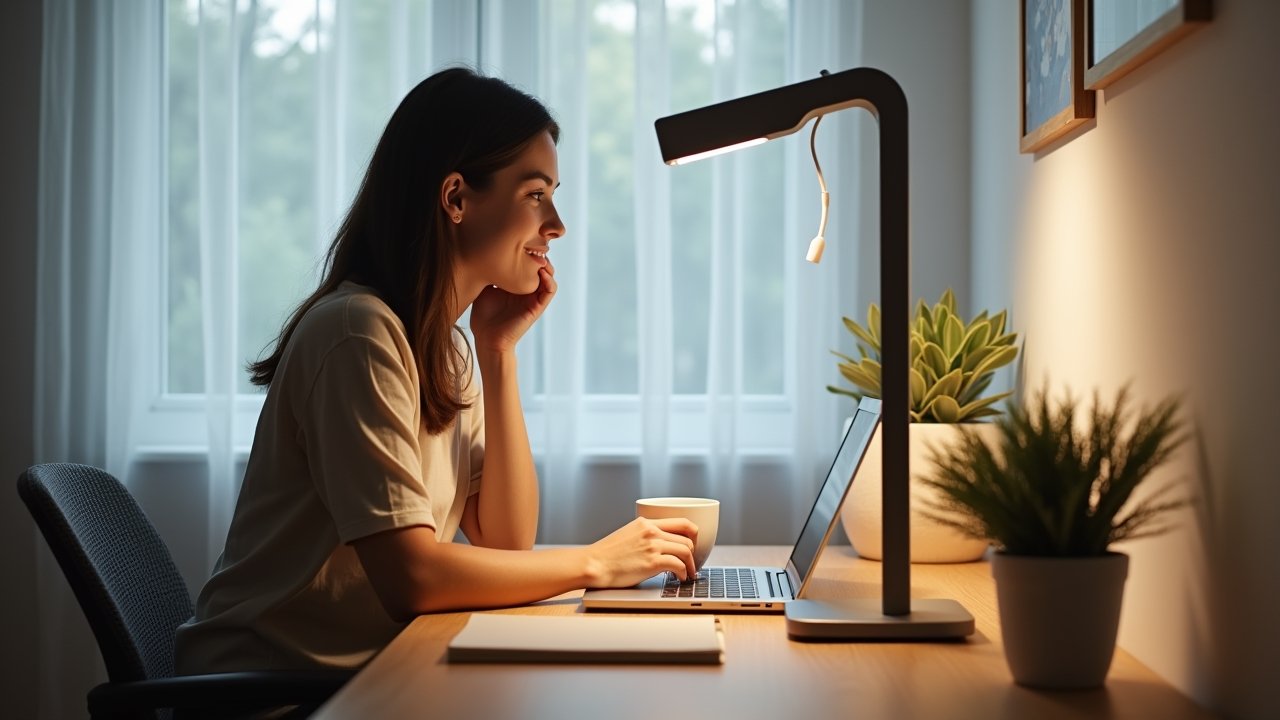
First, light therapy lamps were a total game changer for me. I picked one up on a whim and started using it for about 20-30 minutes every morning during winter. The difference was noticeable within a week. Mayo Clinic recommends a 10,000 lux light box for best results, and I’d strongly agree with that.
Advertisements
Second, get outside during peak daylight hours — even if it’s cold. I started taking a 15-minute walk at lunch and honestly, it helped more than any afternoon coffee ever did. Natural daylight exposure, even on cloudy days, sends important signals to your brain to stay alert and regulate your sleep-wake cycle.
Third, watch your vitamin D levels. I had mine checked a couple winters ago and they were in the basement. A simple supplement made a noticeable difference in my overall winter fatigue. But definitely talk to your doctor before starting anything.
Your Energy, Your Seasons, Your Rules
Look, understanding how seasonal light energy levels affect you is honestly one of the most empowering things you can do for your wellbeing. Everyone responds differently, so experiment with what works for your body and your lifestyle. Don’t ignore persistent fatigue though — if things feel really off, please reach out to a healthcare professional.
Want to keep learning about how light and wellness connect? Head over to the Open Lumae blog for more practical insights you can actually use. We’ve got plenty more where this came from!