Advertisements
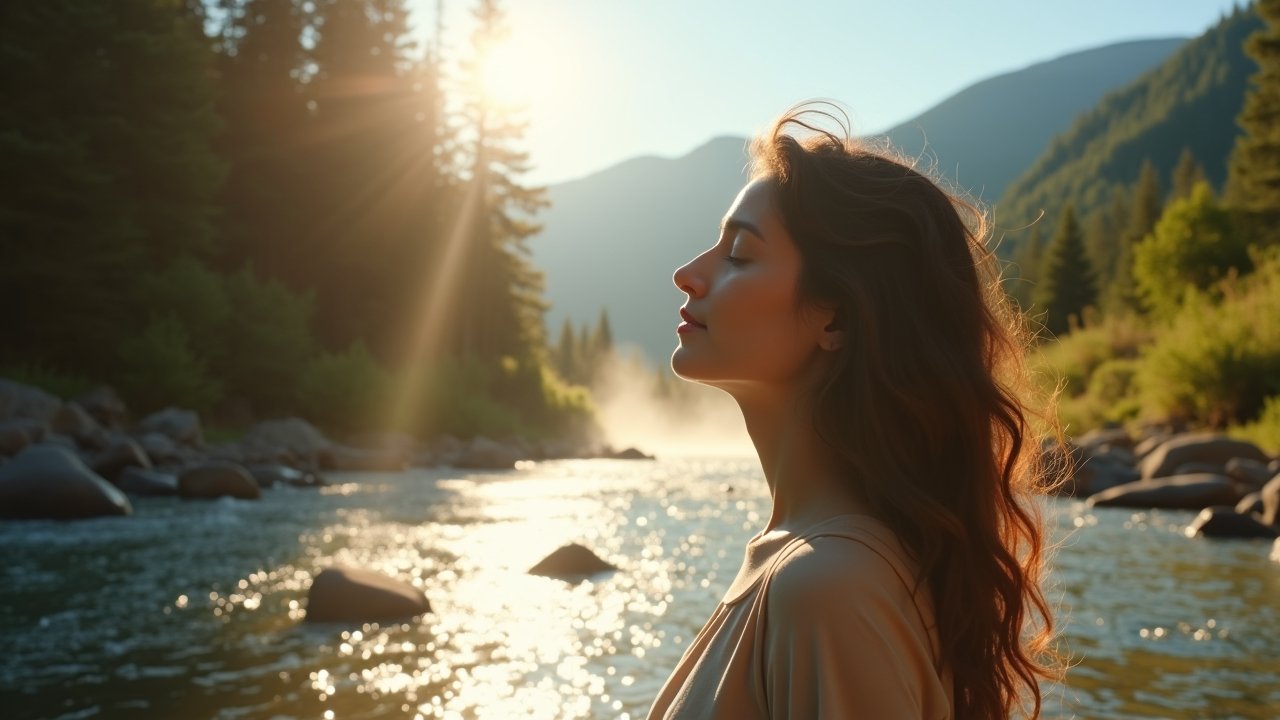
Why Negative Ions in Water and Forests Make You Feel So Ridiculously Alive
Here’s a wild stat that blew my mind: the air near a waterfall can contain up to 100,000 negative ions per cubic centimeter, compared to maybe 100 in your average office building. One hundred versus one hundred thousand! I remember reading that for the first time and honestly thinking it was a typo.
But it wasn’t. And it explained so much about why I always felt like a completely different person after a hike near a river or a walk through a dense forest. Turns out, there’s actual science behind that “forest high” we all chase on weekends.
What Even Are Negative Ions, Though?
Okay so I’ll be honest — I got this wrong for years. I assumed negative ions were some woo-woo wellness buzzword that people slapped on Himalayan salt lamps to sell more product. Turns out, they’re just molecules that have gained an extra electron, giving them a negative charge.
They’re generated naturally when energy acts on air molecules. Think moving water, sunlight, and even lightning. The research published in the International Journal of Molecular Sciences suggests that negative air ions can have measurable effects on our mood, stress levels, and overall well-being.
Positive ions, on the other hand, are the villains of this story. They’re produced by electronics, air conditioning, and pollution. So yeah, your cubicle is basically a positive ion factory.
The Magic of Moving Water
I took my kids to a waterfall in the Smoky Mountains a couple summers ago. We’d been arguing in the car for three hours straight — total disaster of a road trip. But something genuinely weird happened about ten minutes into the hike toward the falls.
Everyone just… calmed down. My daughter stopped whining. My son put his phone away. I stopped clenching my jaw.
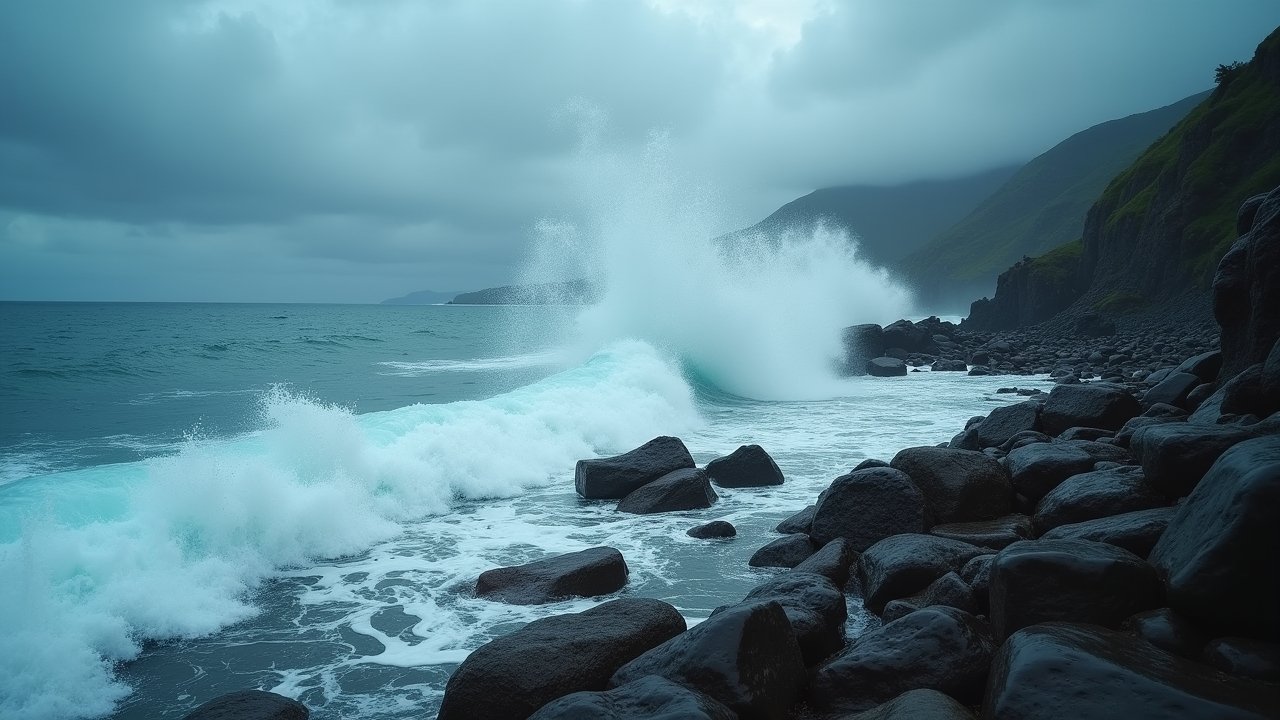
That’s the Lenard effect at work. When water crashes against rocks or splashes into a pool, it breaks apart water molecules and releases negative ions into the surrounding air. Rivers, ocean waves, and even a hard rain shower all do this. It’s why people have been drawn to water since, well, forever.
I’ve since made it a point to plan hikes near streams and waterfalls specifically. Not gonna lie, it’s become kind of an obsession.
Advertisements
Forest Bathing Isn’t Just a Trendy Phrase
The Japanese figured this out way before the rest of us. Shinrin-yoku, or forest bathing, has been a formal practice in Japan since the 1980s. And forests are absolutely loaded with negative ions.
Trees, especially pine and cedar, release these ions naturally. The combination of moisture, organic decomposition on the forest floor, and the sheer density of vegetation creates an environment that’s basically a natural ionizer. I spent a weekend at a cabin in a pine forest last fall and slept better than I had in months — no exaggeration.
Studies have shown that spending time in forests can lower cortisol levels, reduce blood pressure, and boost immune function through increased natural killer cell activity. The negative ions are believed to be a big part of why this happens, alongside phytoncides — those aromatic compounds trees release.
Simple Ways to Get Your Negative Ion Fix
Look, not everyone can escape to a waterfall every weekend. I get it. But here are some things that have actually worked for me:
- Walk near any body of moving water — even a creek in a city park counts.
- Open your windows after a thunderstorm. The air is absolutely packed with negative ions.
- Spend at least 20 minutes in a wooded area when you can. Even a small patch of trees helps.
- Take a shower with cooler water. Seriously, the splashing generates negative ions in your own bathroom.
- Houseplants won’t replace a forest, but they contribute to better indoor air quality overall.
One mistake I made early on was buying one of those cheap ionizer machines thinking it’d replicate the experience. It didn’t even come close. Nature does it better — always has, always will.
Go Find Your Waterfall
The connection between negative ions, water, and forests isn’t pseudoscience — it’s chemistry and biology working together in ways we’re still understanding. The best part is that accessing these benefits is free. You just gotta step outside and find some trees or moving water.
Start small. A park with a stream. A trail through the woods. Your body will notice the difference even if your brain takes a minute to catch up. And if you’re curious about more ways nature supports your well-being, come explore other posts on Open Lumae — we’re always digging into this stuff.