Advertisements
Analog Hobbies for a Digital Detox: How I Stopped Doomscrolling and Started Living
Here’s a stat that honestly shook me: the average person spends nearly seven hours a day staring at screens. Seven! When I first read that, I laughed it off. Then I checked my own screen time report and, well, it was actually worse.
That’s when I realized I desperately needed a digital detox. Not the kind where you move to a cabin in the woods and throw your phone in a lake — just something more realistic. For me, the answer ended up being analog hobbies, and honestly, they kind of saved my sanity.
Why Unplugging Felt Impossible at First
I’ll be real with you. The first time I tried to put my phone down for an entire evening, I lasted about twenty minutes. My hands literally didn’t know what to do with themselves, which sounds dramatic, but it’s true.
The thing about screen addiction is that it sneaks up on you. One minute you’re checking a notification, and the next you’ve been watching random YouTube shorts for forty-five minutes. I was stuck in that cycle for years before I admitted something needed to change.
So I started small. Really small. And that’s the advice I’d give anyone starting their own screen-free journey — don’t try to overhaul your entire life in one weekend.
The Analog Hobbies That Actually Stuck
I tried a bunch of offline activities before finding what worked for me. Some were a total flop — looking at you, pottery class where I spent more time cleaning clay off the ceiling than making anything useful. But a few hobbies genuinely changed my daily routine.
- Journaling: I grabbed a cheap notebook and started writing three pages every morning. It’s called morning pages, and it clears your head like nothing else.
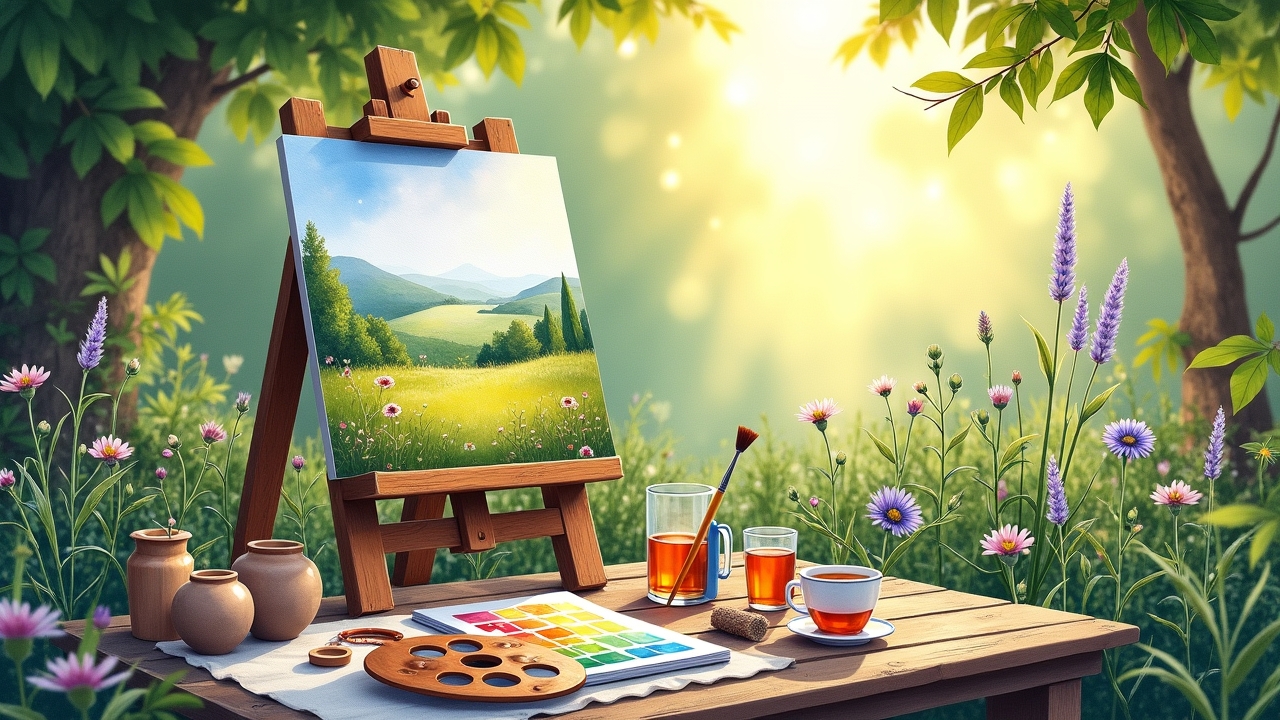
- Sketching: I’m terrible at drawing. Absolutely terrible. But that’s kind of the point — there’s no algorithm judging your work.
- Board games: My family started doing a weekly game night instead of streaming shows. The kids actually talk to us now, which is both wonderful and slightly terrifying.
- Gardening: Getting your hands in dirt is weirdly therapeutic. I killed my first three plants, but my little herb garden is thriving now.
- Reading physical books: Not on a Kindle. Actual paper books. The tactile experience of turning pages made a bigger difference than I expected.
What a Digital Detox Actually Looks Like Day-to-Day
Let me be honest — I didn’t quit technology altogether. That’s not realistic for most of us, and it wasn’t realistic for me either. I still use my phone for work, maps, and the occasional meme. I’m not a monster.
What I did was create boundaries. My phone goes in a drawer after 7 PM most nights. That window of time between dinner and bed became my analog hobby time, and it was rough at first but now I genuinely look forward to it.
The mindfulness that comes from working with your hands is something screens just can’t replicate. When I’m sketching or repotting a plant, my brain gets quiet in a way that meditation apps never quite achieved for me. There’s real mental health benefits to that kind of technology-free time.
Advertisements
Tips I Wish Someone Had Told Me Earlier
First, don’t buy a ton of expensive supplies for your new hobby. I once dropped eighty bucks on calligraphy pens before realizing I had zero patience for calligraphy. Start cheap and upgrade later if you stick with it.
Second, tell the people around you what you’re doing. When my friends knew I was trying to reduce screen time, they stopped getting annoyed when I didn’t text back immediately. Community support matters more than willpower, honestly.
Third, expect to be bored. Boredom is actually where creativity lives, and we’ve been taught to fill every quiet moment with content. Sitting with that discomfort is part of the process.
Your Hands Were Made for More Than Swiping
Picking up analog hobbies for a digital detox isn’t about hating technology. It’s about remembering that you’re a whole person who exists outside a screen. The mental clarity, the improved sleep, the deeper connections with people around you — it all adds up faster than you’d think.
Find what feels good in your hands, whether that’s a paintbrush, a deck of cards, or a ball of sourdough. Customize this to your life. And if you’re looking for more ideas on living a more intentional, balanced life, swing by the Open Lumae blog — we’ve got plenty more where this came from.