
Advertisements
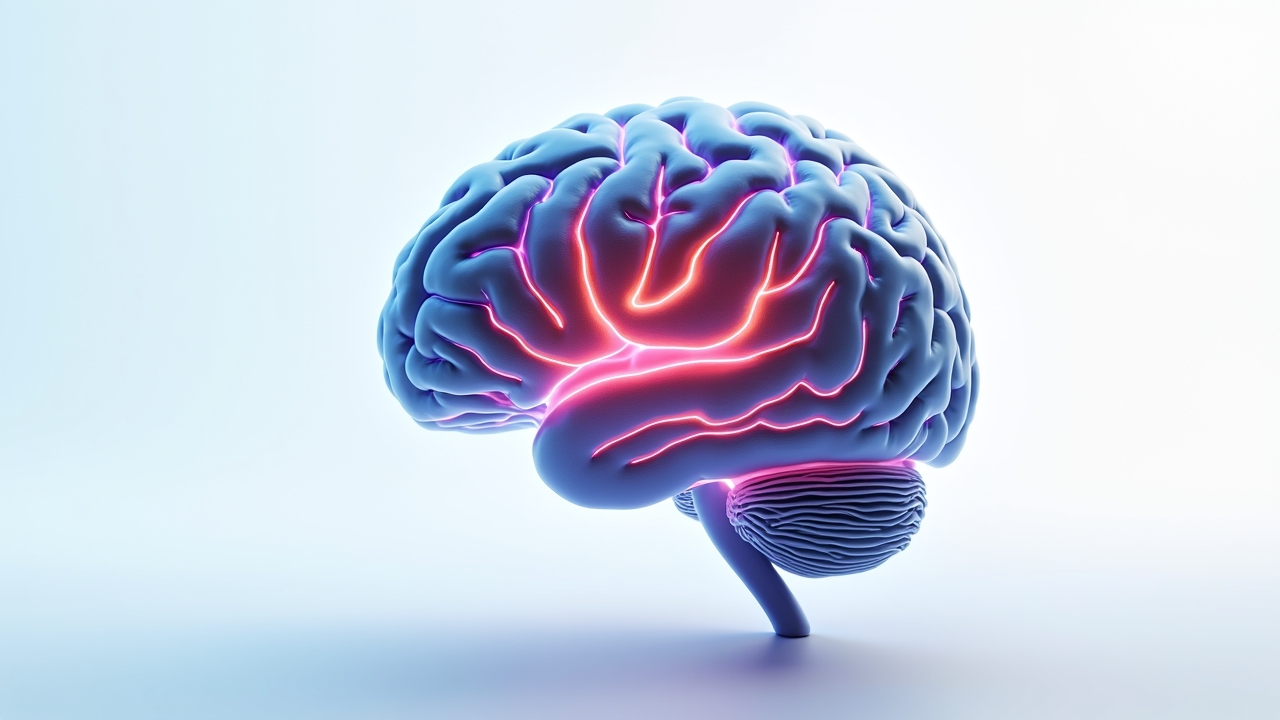
How Altitude and Fresh Air Actually Change the Way Your Brain Works
Here’s something that blew my mind — researchers have found that even moderate changes in altitude can measurably affect your cognitive performance. I’m not talking about climbing Everest here. I mean the difference between sitting in your stuffy basement office and taking a walk on a breezy hilltop. The relationship between altitude, fresh air, and brain function is way more fascinating than most people realize!
I stumbled onto this topic almost by accident. A few years ago, I moved from a sea-level city to a town about 5,000 feet up in Colorado. For the first couple weeks, I genuinely thought I was getting dumber. Couldn’t finish sentences, forgot why I walked into rooms — the whole deal. Turns out, my brain was literally adjusting to a new oxygen environment.
What Happens to Your Brain at Higher Elevations
So here’s the deal. As you go up in altitude, the air pressure drops. That means each breath you take delivers less oxygen to your bloodstream and, ultimately, to your brain.
Your brain is kind of an oxygen hog — it uses about 20% of your body’s total oxygen supply despite being only 2% of your body weight. When that supply gets reduced even slightly, things like memory, attention span, and decision-making can take a hit. This is sometimes called hypoxia, and it’s been studied extensively in pilots, mountaineers, and high-altitude workers.
Now, the good news? Your body acclimates. After a few weeks at elevation, your body produces more red blood cells to compensate. Pretty cool, honestly.
Why Fresh Air Feels Like a Mental Reset
Okay, but let’s flip the script. Have you ever stepped outside after being cooped up indoors all day and felt like your brain just… turned back on? That’s not just vibes. There’s actual science behind it.
Indoor air quality is often way worse than outdoor air. CO2 levels build up in poorly ventilated rooms, and studies from Harvard’s T.H. Chan School of Public Health have shown that elevated indoor CO2 can reduce cognitive function by up to 50%. Fifty percent! I remember reading that and immediately opening every window in my apartment.
Fresh outdoor air, especially in areas with lots of vegetation, tends to be richer in negative ions and has lower concentrations of indoor pollutants like volatile organic compounds. Your brain literally performs better when it’s getting clean, oxygen-rich air.
My Embarrassing Experiment With “Brain Air”
I got a little obsessed with this whole thing, I’ll admit. Bought a portable CO2 monitor — yeah, I was that person — and started measuring the air in different spots around my life. My home office? Regularly hitting 1,200 ppm of CO2 by midafternoon. That’s well above the 800 ppm threshold where cognitive decline starts showing up.
Advertisements
So I started taking what I call “brain air breaks.” Every 90 minutes, I’d step outside for 10 minutes. Sometimes I’d walk to a nearby trail that sits a bit higher in elevation. The difference in my afternoon productivity was honestly kind of shocking. My focus was sharper, I made fewer mistakes grading papers, and I stopped needing that third cup of coffee.
Was it placebo? Maybe partially. But the CO2 readings don’t lie.
Practical Tips for Optimizing Your Air and Brain Connection
-
Open your windows regularly, especially if you work from home. Even 15 minutes makes a difference in indoor air quality and mental clarity.
-
Get outside for short walks in green spaces. Research published in Nature shows that spending just 20 minutes in nature significantly lowers stress hormones.
-
If you live at high altitude, give yourself time to acclimatize before expecting peak mental performance. Stay hydrated — dehydration makes altitude-related brain fog worse.
-
Consider an air quality monitor for your workspace. They’re not expensive and the data is genuinely eye-opening.
-
Houseplants can help, but don’t rely on them alone. Proper ventilation beats a fern every time.
Take a Breath and Think About It
The connection between altitude, fresh air, and brain function isn’t some fringe wellness trend. It’s basic physiology that most of us ignore because, well, breathing feels automatic. But the quality and oxygen content of the air you breathe directly shapes how well you think, focus, and remember.
Everyone’s situation is different — your elevation, your workspace, your daily routine — so experiment and figure out what works for you. And obviously, if you’re planning any serious high-altitude adventures, talk to a doctor first. For more articles on wellness, cognition, and living a little smarter, check out the Open Lumae blog. We’ve got plenty more where this came from!