Advertisements
How to Protect Your Focus in an Always-On Culture (Before It’s Too Late)
Here’s a stat that honestly made me put my phone down for a solid ten minutes: the average person checks their phone 144 times a day. One hundred and forty-four! I used to think I was pretty disciplined about this stuff, but then I actually tracked my screen time one week and realized I was way worse than I thought.
Look, we’re living in an always-on culture where Slack pings at 9 PM feel normal and “quick” email checks on Sunday morning somehow turn into two-hour work sessions. Protecting your focus isn’t just some productivity hack anymore — it’s genuinely a mental health necessity. And I learned that the hard way.
The Always-On Trap I Fell Right Into
A few years back, I was teaching full-time and running a side project. I had notifications turned on for everything — email, Teams, social media, you name it. I told myself I was being “responsive” and “on top of things.”
What I was actually doing was destroying my ability to think deeply about anything. My attention span got so fragmented that I couldn’t even grade a stack of essays without picking up my phone three or four times. It was embarrassing, honestly.
The thing about digital overwhelm is that it creeps up on you. You don’t wake up one day suddenly unable to focus. It’s this slow erosion, like water wearing down a rock, and by the time you notice it you’re already in trouble.
Why Your Brain Wasn’t Built for This
So here’s the deal. Research from the American Psychological Association has shown that task-switching — which is basically what we do every time we check a notification — can cost you up to 40% of your productive time. Forty percent! That’s not a small number.
Our brains need what psychologists call “deep work” periods to do their best thinking. Cal Newport wrote a whole book about this, and it honestly changed how I structure my days. The always-on work culture is basically the enemy of deep, meaningful cognitive work.
And it ain’t just about productivity. Constant connectivity has been linked to increased anxiety, poor sleep quality, and straight-up burnout. Your brain needs downtime to process and recover, period.
Practical Ways to Actually Protect Your Focus
Alright, enough doom and gloom. Here’s what has actually worked for me after years of trial and error — and plenty of mistakes along the way.
Advertisements
- Set hard boundaries with notifications. I turned off all non-essential notifications on my phone. Every single one. The world did not end. People survived waiting an hour for my reply.
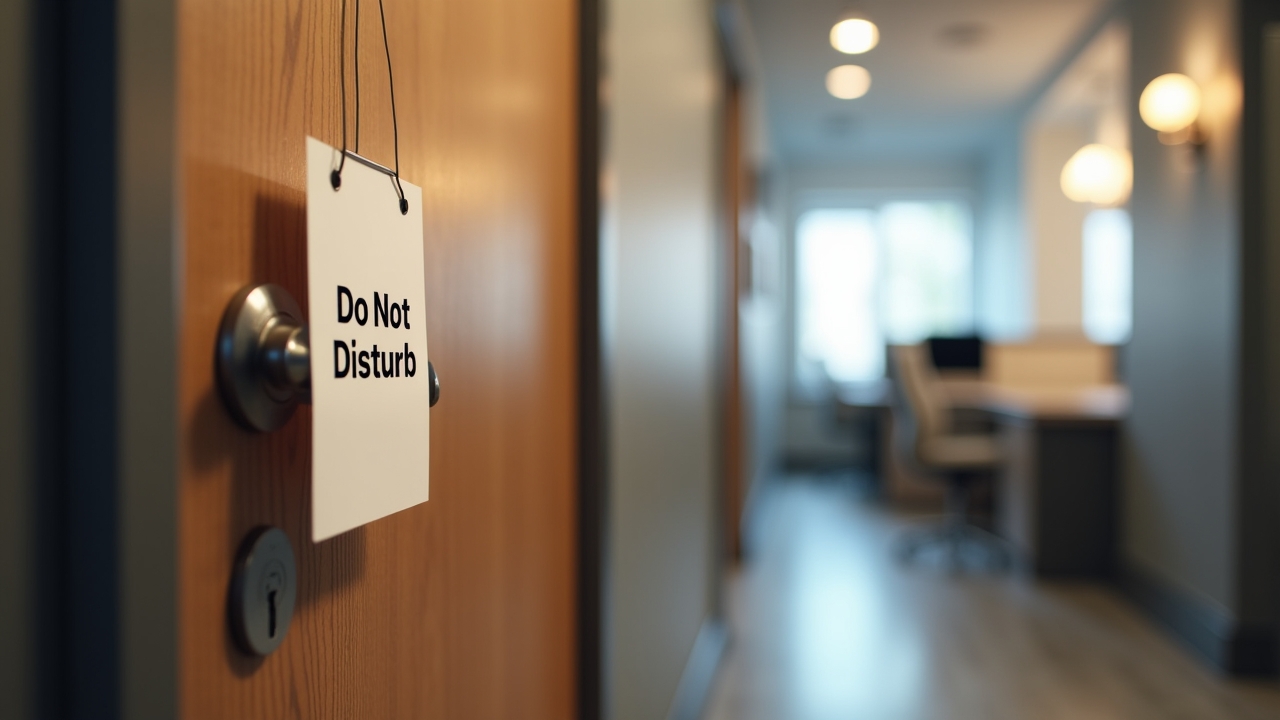
- Create a “focus block” every day. I do mine from 9 to 11 AM. Phone goes on Do Not Disturb, email stays closed, and I work on one thing only. This single habit probably doubled my output.
- Communicate your boundaries out loud. I literally told my team, “I don’t check messages between these hours.” At first it felt awkward, but people adapted faster than I expected.
- Use the 20-20-20 rule for screen fatigue. Every 20 minutes, look at something 20 feet away for 20 seconds. It sounds silly but it helps more than you’d think.
- Batch your communication. Instead of responding to emails all day long, I check them three times — morning, after lunch, and before I wrap up. Game changer.
One Mistake That Taught Me Everything
I once tried going completely off-grid for a week to “reset.” No phone, no email, nothing. It was a disaster. I came back to 400 unread messages and a minor work crisis that could’ve been solved with a two-minute reply.
The lesson? Protecting your focus doesn’t mean disappearing. It means being intentional about when and how you engage with the digital noise. Balance beats extremes every time.
Your Focus Is Worth Fighting For
In an always-on culture, choosing to protect your focus is a radical act. It takes practice, some uncomfortable conversations, and a willingness to let a few notifications sit unanswered for a while. But the payoff — better work, better sleep, better mental clarity — is absolutely worth it.
Adapt these strategies to fit your own life because what works for me might not work perfectly for you. Just start somewhere. And if you’re looking for more tips on building healthier habits around work and wellness, check out other posts on Open Lumae — there’s plenty more where this came from.